

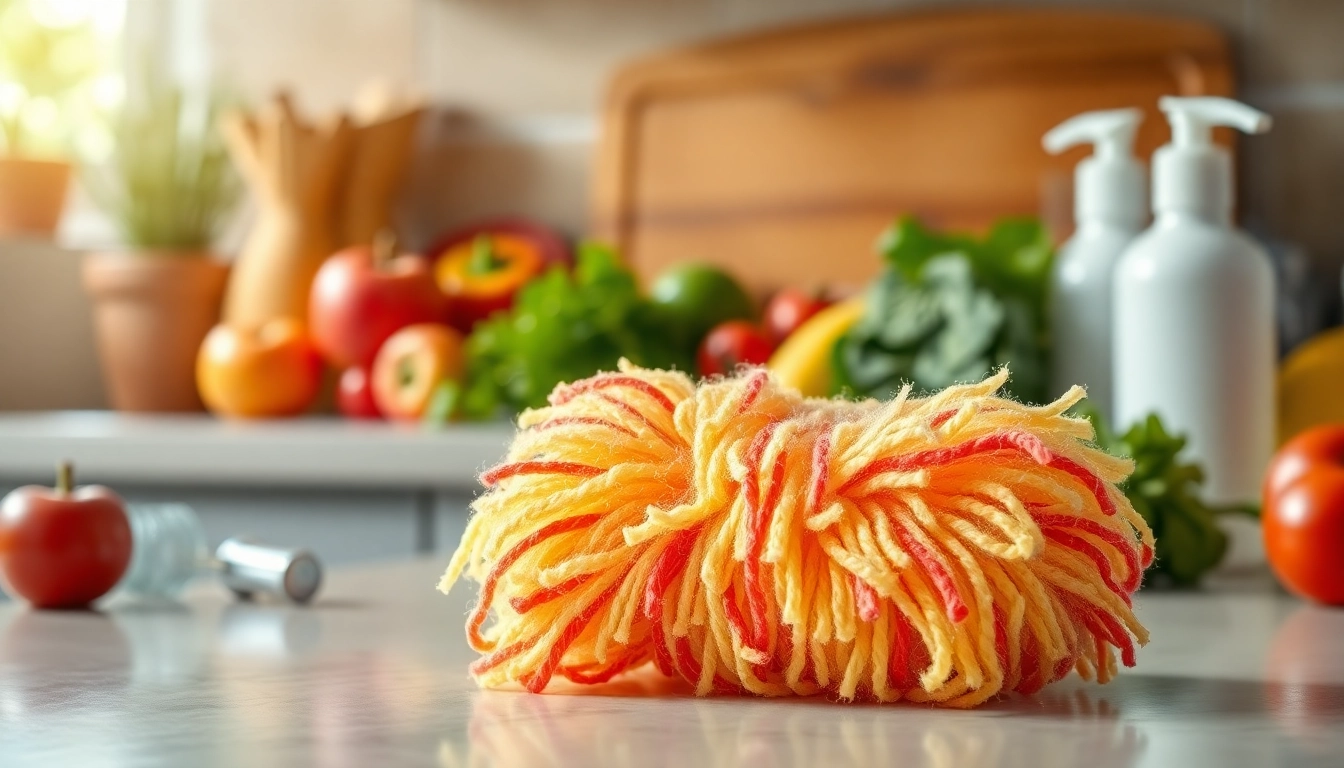
Introduction to the Kitchen Loofah Scrubber
When it comes to maintaining a clean and healthy kitchen, having the right tools is vital. Among these tools, the kitchen loofah scrubber has gained attention for its unique composition and effective cleaning properties. Derived from the loofah plant, this scrubber represents a blend of natural fibers that are superior to many synthetic alternatives. This article explores the various aspects of kitchen loofah scrubbers, delving into their benefits, usage, and maintenance to ensure you make the best choice for your cleaning needs.
What is a Kitchen Loofah Scrubber?
A kitchen loofah scrubber is a cleaning tool made from the fibrous interior of the loofah gourd, a type of cucumber-like plant. Unlike synthetic sponges or scrubbers, loofahs are entirely natural and biodegradable. When dried, the loofah’s fibrous structure is perfect for scrubbing, allowing it to effectively remove food residue, dirt, and grime from surfaces without scratching. These scrubbers not only serve practical purposes but also embody eco-friendly living by reducing reliance on plastic products.
Benefits of Using a Kitchen Loofah Scrubber
Using a kitchen loofah scrubber comes with several notable benefits:
- Natural Material: Being made from plant fibers, loofahs are non-toxic and safe for food contact surfaces.
- Biodegradable: Once worn out, they can decompose without harming the environment.
- Effective Cleaning: Their unique texture allows for deep cleaning without scratching pots, pans, or surfaces.
- Durable: With proper care, loofahs can last many weeks, making them a sustainable choice.
- Versatility: They can be used for a variety of kitchen tasks, including scrubbing vegetables and cleaning dishes.
Difference Between Loofah and Synthetic Scrubbers
While both loofah and synthetic scrubbers serve a similar purpose, they are vastly different in composition, effectiveness, and environmental impact:
- Material: Loofahs are natural, while many scrubbers are made from plastics or other synthetic materials.
- Cleaning Efficacy: Loofahs can clean effectively without leaving scratches, whereas some synthetic scrubbers may scratch delicate surfaces.
- Environmental Impact: Loofahs are biodegradable, while synthetic options can contribute to landfill waste.
- Health Safety: Loofahs do not harbor harmful chemicals, unlike some synthetic cleaners that may release toxins over time.
How to Choose the Right Kitchen Loofah Scrubber
Selecting the appropriate kitchen loofah scrubber is crucial for maximizing its effectiveness and ensuring your cleaning tasks are done efficiently. Here are key factors to consider:
Factors to Consider When Buying
- Size: Choose a size that is comfortable to hold and suitable for your cleaning needs, whether it be for scrubbing dishes or larger surfaces.
- Texture: Consider the texture; some loofahs are softer and more suitable for delicate surfaces, while others are rougher for tougher jobs.
- Origin: Look for loofahs that are organically grown and free from chemicals to ensure safety and sustainability.
- Certification: Check for certifications like organic or eco-friendly labels to verify the authenticity of the product.
Eco-Friendly Options Available
As consumers increasingly prioritize sustainability, many brands are offering eco-friendly kitchen loofah scrubbers. These options include:
- Organic Loofahs: Grown without pesticides or synthetic fertilizers, they are a safe choice for cleaning.
- Recycled Packaging: Some brands focus on using recyclable materials for packaging, minimizing environmental impact.
- Locally Sourced: Purchasing loofahs sourced from local farms supports sustainable agriculture and reduces carbon footprint.
Common Brands to Explore
While this article does not endorse specific brands, it is beneficial to explore brands known for producing high-quality kitchen loofah scrubbers. Look for brands that emphasize organic practices, eco-friendly materials, and customer loyalty. Reading reviews can help identify reputable options in the market.
Effective Ways to Use a Kitchen Loofah Scrubber
Knowing how to effectively use your kitchen loofah scrubber can greatly enhance its cleaning capabilities. Here are some practical applications:
Cleaning Fruits and Vegetables
Loofahs are excellent for cleaning fruits and vegetables. Their natural fibers gently scrub away dirt and residues without harming the produce. To use, simply wet the loofah and gently scrub the surface of fruits and vegetables under running water. This process not only removes dirt but can also help eliminate pesticides.
Spotless Kitchenware with Ease
For kitchenware—such as pots, pans, and utensils—a kitchen loofah scrubber excels in reaching into crevices and effectively cleaning stuck-on food. Use the scrubber with warm, soapy water for the best result. Its abrasive nature helps remove baked-on food without scratching surfaces.
Optimal Cleaning Techniques
To maximize the life and cleaning potential of your loofah scrubber, consider these optimal cleaning techniques:
- Soak in Vinegar: Soaking your loofah in a mixture of vinegar and water can help remove odors and disinfect the fibers.
- Keep It Dry: After use, always allow the loofah to dry completely to prevent mold growth.
- Rotate Use: If you own multiple loofahs, rotate their usage and cleaning to ensure they last longer.
Maintenance and Care for Your Kitchen Loofah Scrubber
To enjoy the benefits of your kitchen loofah scrubber for an extended time, it’s essential to maintain and care for it properly. This section offers guidance on caring for your scrubber:
How to Clean and Disinfect
To clean your kitchen loofah scrubber, you can use the following methods:
- Boiling: Boil the loofah in water for a few minutes to disinfect it effectively.
- Washing Machine: If the loofah is machine-washable, place it in a laundry bag and wash it on a gentle cycle.
- Vinegar Rinse: Rinsing the loofah with a vinegar solution can help to eliminate bacteria and odors.
Signs of Wear and When to Replace
It’s important to monitor your loofah scrubber for signs of wear. Replace it when you notice the following:
- Visible fraying or tearing of the fibers.
- Foul odors that persist even after cleaning.
- A significant reduction in scrubbing effectiveness.
Storage Tips for Longevity
Proper storage can prolong the life of your kitchen loofah scrubber. Follow these tips:
- Dry Area: Store your loofah in a well-ventilated area to ensure it dries completely.
- Hanging Storage: Hanging the loofah can help maintain its shape and prevent moisture buildup.
- Avoiding Contaminants: Keep the loofah away from bacteria-prone areas of your kitchen, such as near the sink.
Frequently Asked Questions about Kitchen Loofah Scrubber
Can I use a kitchen loofah scrubber on non-stick surfaces?
It is generally safe to use a kitchen loofah scrubber on non-stick surfaces, as they are less abrasive than synthetic scrubbers and won’t scratch the coating.
Are kitchen loofah scrubbers biodegradable?
Yes, kitchen loofah scrubbers are biodegradable. When they reach the end of their life, they can break down naturally without harming the environment.
How often should I replace my kitchen loofah scrubber?
It’s best to replace your kitchen loofah scrubber every month based on usage and signs of wear. Regular replacement ensures effective cleaning and hygiene.
Can I machine wash my kitchen loofah scrubber?
Many kitchen loofah scrubbers are machine-washable. Use a gentle cycle and a laundry bag to protect the fibers during washing.
What makes kitchen loofah scrubbers eco-friendly?
Kitchen loofah scrubbers are made from natural plant fibers, making them biodegradable and non-toxic, thus reducing environmental impact compared to synthetic options.