

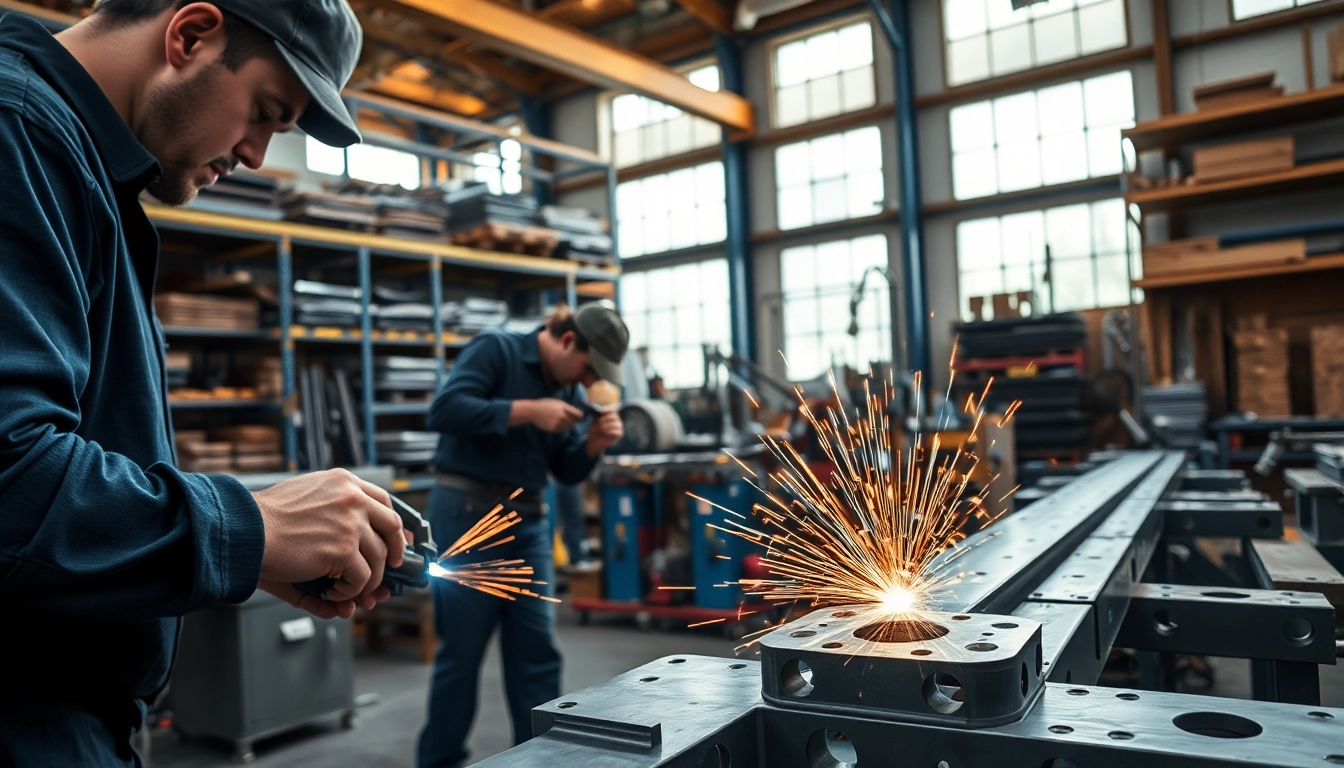
Understanding Custom Steel Fabrication
What is Custom Steel Fabrication?
Custom steel fabrication is a process that involves the design and construction of steel structures and components to meet the specific requirements of various projects. Unlike pre-manufactured products, custom fabrication allows for tailored solutions that fit unique specifications. This can encompass a wide range of items—from structural beams and support frames to intricate architectural elements.
This process generally involves several stages, including design, cutting, assembling, and finishing, with each stage requiring specialized skills and machinery. It plays a crucial role in a variety of industries, including construction, manufacturing, automotive, and aerospace, where precision and durability are paramount. By utilizing custom steel fabrication, businesses can achieve bespoke solutions that enhance efficiency and performance.
Importance of Custom Steel Fabrication in Various Industries
The significance of custom steel fabrication extends across multiple sectors. In construction, for example, it enables the creation of building frameworks that are not only structurally sound but also aesthetically pleasing. Within the manufacturing sector, custom steel components are vital for producing machinery and equipment tailored to specific processes, thereby improving productivity.
Moreover, industries such as automotive and aerospace benefit from the ability to fabricate parts that meet rigorous safety and performance standards. Custom fabrication also allows for innovation, as companies can experiment with new designs and solutions, enhancing their competitive edge. Overall, custom steel fabrication serves as the backbone for several industries, supporting modern infrastructure and technology.
Key Terms and Concepts in Custom Steel Fabrication
Understanding the terminology associated with custom steel fabrication is critical for industry professionals. Some key terms include:
- CAD (Computer-Aided Design): A software tool that allows engineers and designers to create precise drawings and specifications for custom steel components.
- CNC Machining: A method of manufacturing that uses computer-controlled machines to fabricate parts with high precision.
- Welding: A process used to join steel components together, critical for assembling structures and components securely.
- Galvanization: A protective process that coats steel with a layer of zinc to prevent rust and corrosion, extending the life of the product.
- Laser Cutting: A technology that uses a laser to cut materials with high precision, frequently employed in custom fabrication for intricate designs.
Common Custom Steel Fabrication Techniques
Welding Methods Used in Custom Steel Fabrication
Welding is one of the foundational techniques in custom steel fabrication, with several methods applicable depending on material and project requirements. Key welding methods include:
- MIG (Metal Inert Gas) Welding: This versatile and widely used method employs a continuous wire feed as an electrode, making it ideal for both thin and thick materials.
- TIG (Tungsten Inert Gas) Welding: Known for delivering high-quality welds, TIG uses a non-consumable tungsten electrode and is often utilized for applications requiring precision, such as in aerospace.
- Stick Welding: A more traditional method that uses a consumable rod coated in flux; it is effective in outdoor settings due to its resistance to wind and contamination.
- Spot Welding: Primarily used in manufacturing, spot welding joins overlapping metal surfaces through localized heat, making it efficient for mass production.
- Submerged Arc Welding: This method involves a continuously fed electrode and is often used for heavy sections of steel, providing deep penetration and minimal pollution.
Each of these welding techniques has its strengths and is selected based on the specific requirements of the project, including material type, thickness, and desired strength of the joint. Ensuring the correct method is chosen is essential to maintaining the integrity of the fabricated component.
Cutting Technologies for Custom Steel Fabrication
Cutting is a critical stage in the custom steel fabrication process, where raw materials are shaped into precise designs. Various cutting technologies are employed, including:
- Laser Cutting: This technology is advantageous for its high precision and ability to cut intricate shapes in a variety of steel thicknesses. It utilizes focused laser beams, which are computer-controlled for accuracy.
- Plasma Cutting: Ideal for thicker materials, plasma cutting uses a high-velocity jet of ionized gas to sever steel. While not as precise as laser cutting, it is effective for rapid cuts.
- Water Jet Cutting: This method uses high-pressure water mixed with abrasives to cut materials. It is particularly useful for sensitive materials that may be affected by heat, preserving their properties.
- Oxy-Fuel Cutting: A traditional technique that involves burning the steel using a mixture of oxygen and fuel gas. It is more cost-effective for cutting thicker sections but requires careful handling and skill.
Choosing the appropriate cutting technology depends on the material characteristics, thickness, the complexity of the design, and the budget. Each method offers unique benefits and limitations, making informed selection essential for optimal outcomes in fabrication projects.
Finishing Processes in Custom Steel Fabrication
Finishing processes are critical in enhancing the appearance and performance of custom steel products. These processes may include:
- Painting: Application of protective and decorative coatings to prevent corrosion and improve aesthetics. Various techniques, such as spray painting or powder coating, can be used.
- Galvanizing: As mentioned earlier, this process involves coating steel with zinc to protect against corrosion. It is particularly valuable for products that will be exposed to harsh environmental conditions.
- Polishing: A process aimed at enhancing surface finish, providing a smooth and shiny appearance essential for architectural and decorative applications.
- Passivation: A chemical treatment that enhances corrosion resistance, especially important for stainless steel products. This process removes surface contaminants and forms a protective oxide layer.
The choice of finishing process is influenced by the intended use of the product, environmental exposure, and aesthetic requirements, making it an essential step in the overall fabrication process.
Choosing the Right Material for Custom Steel Fabrication
Types of Steel Used in Custom Steel Fabrication
Selection of the appropriate type of steel is fundamental in custom steel fabrication, as it directly impacts the product’s performance, durability, and cost. Common types of steel used include:
- Carbon Steel: Known for its strength and versatility, carbon steel contains varying levels of carbon, affecting its hardness and ductility. It is widely used in infrastructure and structural applications.
- Stainless Steel: Comprising a minimum of 10.5% chromium, stainless steel is renowned for its corrosion resistance, making it ideal for applications requiring hygiene or exposure to moisture.
- Alloy Steel: This type is blended with other elements, such as chromium, nickel, or vanadium, to enhance specific properties, such as strength or resistance to wear and corrosion.
- Tool Steel: Manufactured for high hardness and heat resistance, tool steel is used for making tools and dies that require durability under high-stress conditions.
- High Strength Low Alloy Steel (HSLA): This type provides better mechanical properties and greater resistance to atmospheric corrosion than conventional steel.
Choosing the right steel type involves consideration of factors such as the operating environment, expected loads, fabrication methods, and cost. Understanding the properties of each steel type ensures optimal material selection for specific applications.
Factors Influencing Material Selection in Custom Steel Fabrication
Several factors come into play when selecting materials for custom steel fabrication. Key influencing factors include:
- Application Requirements: The end-use of the fabricated item greatly dictates material choice. Structural components require robust materials, whereas decorative elements may prioritize appearance.
- Environmental Conditions: Exposure to moisture, chemicals, or extreme temperatures necessitates the selection of materials that can withstand such conditions without premature failure.
- Fabrication Process: Some materials are better suited for specific fabrication techniques, which will influence the choice depending on the intended methods for cutting or welding.
- Cost Considerations: The overall budget for the project plays a significant role in material choice. While high-performance materials may provide advantages, cost-effectiveness must also be considered.
- Regulatory Standards: Depending on the industry, certain materials may be required to meet specific standards or certifications, influencing the selection process.
Understanding these factors allows project managers and engineers to make informed decisions that ensure optimal performance, safety, and cost-effectiveness in custom steel fabrication projects.
Comparing Carbon Steel vs. Stainless Steel in Custom Steel Fabrication
When choosing between carbon steel and stainless steel for custom fabrication, it’s essential to evaluate their distinct characteristics, benefits, and drawbacks:
Carbon Steel
Carbon steel is a cost-effective option that offers high strength and durability. It is highly versatile, allowing it to be used in various applications, from structural beams to automotive components. However, it has limited corrosion resistance, which can lead to rust and degradation when exposed to moisture without proper treatment or coating.
Stainless Steel
Stainless steel, on the other hand, provides excellent corrosion resistance due to its chromium content. This makes it ideal for applications where exposure to the elements or chemical substances is a concern. Stainless steel also maintains its structural integrity across a wide range of temperatures. However, its cost is significantly higher than that of carbon steel, making it less favorable in terms of budget for certain applications.
Ultimately, the selection between carbon steel and stainless steel will depend on specific project needs, cost constraints, and anticipated environmental exposure.
Best Practices for Effective Custom Steel Fabrication
Design Considerations for Custom Steel Fabrication Projects
Effective design is pivotal in custom steel fabrication, influencing both how the product functions and its overall cost. Some best practices include:
- Utilizing CAD Software: Leveraging advanced design technologies such as CAD can enhance precision and allow for thorough planning, minimizing errors during the production phase.
- Incorporating Design for Manufacture (DFM) Principles: DFM emphasizes designing products that are easy and cost-effective to manufacture, considering factors like assembly efficiency and material utilization.
- Conducting Stress Analysis: Performing simulations for load bearing and stress can identify potential structural issues early on, allowing for design adjustments before production begins.
- Defining Tolerances: Clearly specifying tolerances in designs helps ensure that components fit together correctly during assembly and function as intended.
Adhering to these design considerations can significantly improve the quality of fabricated products while enhancing efficiency and reducing costs during production.
Quality Control in Custom Steel Fabrication Processes
Implementing effective quality control procedures is vital for ensuring that custom steel fabrication meets industry standards and client expectations. Best practices include:
- Inspection Protocols: Establishing a comprehensive inspection process at various stages of fabrication can help identify defects and address them before final delivery.
- Using Quality Materials: Ensuring that the materials used meet specified standards and certifications is crucial for maintaining the longevity and safety of the fabricated components.
- Continuous Training: Providing regular training for staff helps maintain high-quality workmanship and keeps the team informed about the latest practices and technologies in the industry.
- Documentation and Traceability: Maintaining accurate records of material batches, fabrication processes, and inspection results contributes to traceability and ensures accountability in the production chain.
By establishing strict quality control measures, businesses can mitigate risks, reduce waste, and ensure consistent delivery of high-quality custom steel products.
Sustainable Practices in Custom Steel Fabrication
As environmental concerns rise, integrating sustainable practices into custom steel fabrication becomes crucial. Strategies include:
- Material Efficiency: Minimizing waste during the cutting and fabrication processes not only reduces costs but also lessens the environmental footprint of the operation.
- Recycling and Reusing Materials: Incorporating reclaimed steel into production can decrease the demand for virgin materials and significantly lower environmental impact.
- Energy-Efficient Machinery: Employing modern, energy-efficient equipment reduces energy consumption and operational costs, contributing to a greener fabrication process.
- Eco-Friendly Finishing Techniques: Choosing environmentally friendly coatings and finishes can help reduce hazardous waste associated with traditional chemical treatments.
Embracing sustainability not only meets regulatory requirements but also enhances brand reputation and can lead to cost savings over time. This proactive approach appeals to an increasingly environmentally-conscious market.
Future Trends in Custom Steel Fabrication
Technological Innovations Shaping Custom Steel Fabrication
The custom steel fabrication industry is witnessing transformative innovations that are reshaping processes and capabilities:
- Additive Manufacturing: Known as 3D printing, this technology is beginning to enter the steel fabrication arena. It allows for the production of complex geometries and can significantly reduce material waste.
- Advanced Robotics: The integration of robotic systems in fabrication assists in precision cutting, welding, and assembly, boosting efficiency and reducing the human error margin.
- AI and Machine Learning: These technologies are being employed to optimize production schedules and supply chain management, enhancing productivity and responsiveness to market changes.
- IoT and Smart Fabrication: Connecting machinery and tools through the Internet of Things can monitor equipment health and performance, allowing for predictive maintenance and minimizing downtime.
These innovations promise to increase efficiency, reduce costs, and bring about unprecedented levels of customization, significantly enhancing the scope and capabilities of custom steel fabrication.
Market Demand and Opportunities in Custom Steel Fabrication
The demand for custom steel fabrication is on the rise, fueled by several factors:
- Infrastructure Development: As governments and industries invest in infrastructure—such as transportation, energy, and housing—the demand for custom fabrication for steel structures will grow.
- Technological Advancements: The increasing complexity of industrial applications requiring specialized steel components presents significant opportunities for custom steel fabricators.
- Growth in Construction and Manufacturing: Expanding construction and manufacturing sectors further boost the need for customized steel solutions, driving the market forward.
Companies that adapt to these trends by embracing new technologies and practices will position themselves favorably in an increasingly competitive marketplace.
The Role of Automation in Custom Steel Fabrication
Automation is becoming a critical aspect of custom steel fabrication, offering benefits such as:
- Increased Precision: Automated systems provide higher accuracy in cutting and welding processes, reducing error rates and ensuring consistent quality.
- Enhanced Production Speeds: Automating routine tasks allows for faster production cycles, meeting tight deadlines without compromising quality.
- Cost Reduction: While initial investments in automation might be high, the long-term savings from labor costs and increased efficiency can be substantial.
- Safety Improvements: Automation reduces the need for manual labor in dangerous tasks, enhancing overall workplace safety.
As automation technology continues to advance, it will play an increasingly significant role in streamlining operations and improving outcomes in custom steel fabrication.