

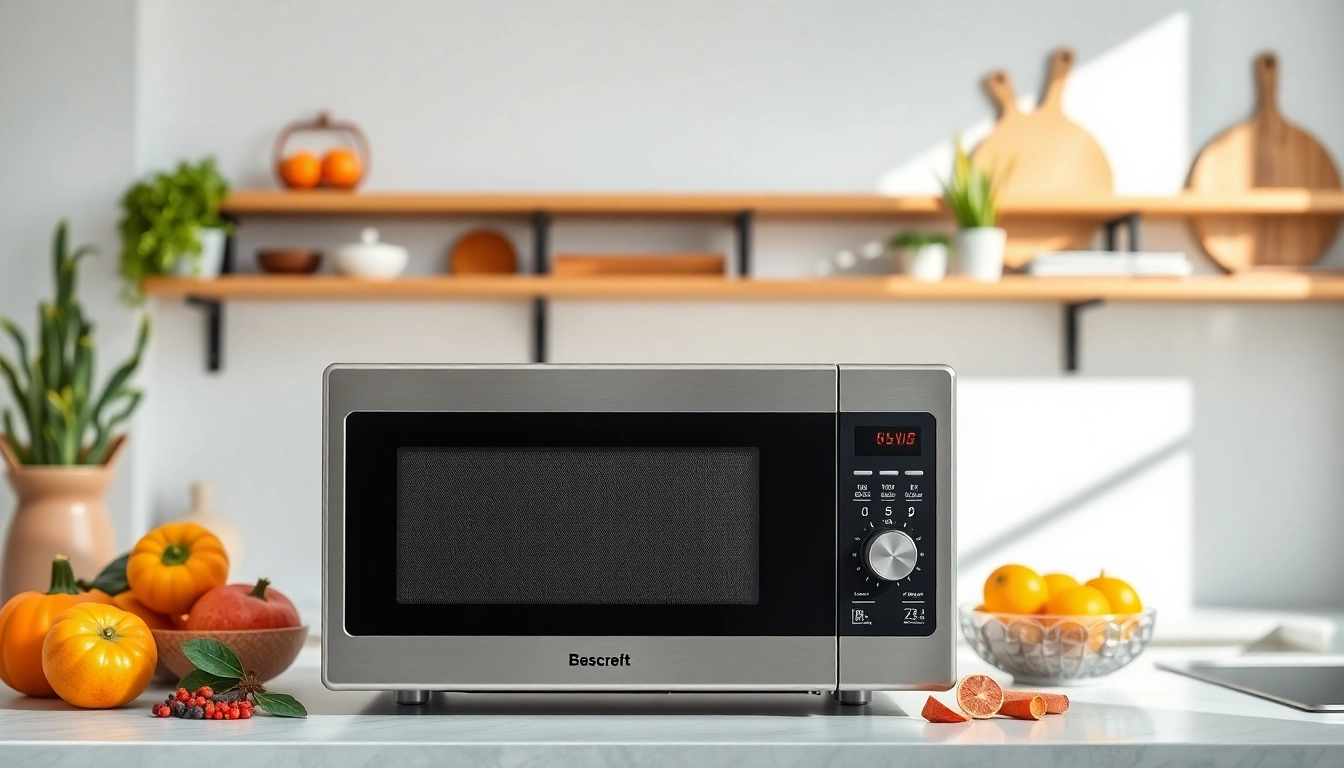
Understanding the Different Types of Microwave Oven
When it comes to kitchen appliances, the microwave oven stands out for its convenience and versatility. However, not all microwave ovens are created equal. Different types cater to various cooking needs and kitchen settings. Understanding these types can help you make an informed choice when selecting the right model for your culinary endeavors.
Countertop Microwave Oven Features
Countertop microwave ovens are perhaps the most common choice in households. Typically compact and portable, they are ideal for people with limited kitchen space. Here are some defining features:
- Size: Countertop models come in various sizes, usually ranging from 0.5 to 2.2 cubic feet, allowing them to fit different kitchen counter dimensions.
- Power Levels: Most models offer multiple power levels, usually from 600 to 1200 watts, accommodating diverse cooking and reheating needs.
- Cooking Functions: Many countertop models feature predefined cooking settings for popular dishes, such as popcorn, pizza, and defrosting.
- Portability: Since these microwaves are freestanding, they can quickly be moved or stored away if necessary.
- Cost: Countertop ovens are generally more affordable than built-in or over-the-range models, making them accessible to a wider audience.
Built-in Microwave Oven Advantages
Built-in microwave ovens offer a sleek and integrated look for modern kitchens. Here are some advantages of choosing this type:
- Aesthetic Appeal: Built-in models can enhance the overall design of your kitchen, blending seamlessly with cabinetry.
- Space-Saving: They save counter space by being installed directly into the wall or cabinetry, ideal for smaller kitchens.
- Higher Power Options: Many built-in models offer higher power output, providing more effective cooking compared to countertop models.
- Enhanced Features: Built-in models often include advanced cooking technologies like convection cooking, which allows more versatile meal preparation.
Over-the-Range Microwave Oven Convenience
Over-the-range microwaves combine the functions of a microwave and a range hood. This dual-purpose appliance is both space-efficient and functional. Consider the following:
- Ventilation: These models typically come with built-in ventilation systems that can eliminate cooking odors and smoke, serving a dual purpose.
- Space Efficiency: Mounting the microwave above the stove frees up valuable counter space, making it a practical choice for compact kitchens.
- Smart Features: Many over-the-range models are equipped with sensors for humidity and cooking preferences, making meal preparation more straightforward.
- Integrated Design: An over-the-range microwave blends nicely with other kitchen appliances, creating a cohesive look.
Key Features to Look for in a Microwave Oven
When shopping for a microwave oven, consider key features that directly impact performance, convenience, and overall satisfaction. Understanding these can guide you toward the best choice.
Power and Cooking Performance of Microwave Oven
Power level is fundamentally vital in determining the cooking performance of a microwave oven. The wattage directly affects how quickly food cooks or reheats:
- Wattage Ratings: Common wattage ratings range from 600 to 1200 watts. Higher wattage means faster cooking times but may also lead to higher energy consumption.
- Cooking Technology: Look for inverter technology that allows for more even cooking by providing a consistent flow of power throughout the cooking process.
- Sensor Cooking: This feature detects humidity levels in food and adjusts cooking times accordingly, helping prevent overcooking or undercooking.
Size and Capacity Considerations
The microwave oven’s size and internal capacity are essential factors to consider based on what you will be cooking:
- Counter Space: Ensure that the size of the microwave fits comfortably on your counter or designated space. Measure twice to avoid purchasing the wrong model.
- Cubic Feet: Typical capacities range from 0.5 to 2.2 cubic feet. Larger capacities are ideal for families or those who frequently cook larger meals.
- Turntables and Shelves: Consider models with turntables for even heating and additional shelves for versatile cooking options.
Control Options and User Friendliness
The microwave’s controls can significantly influence its ease of use:
- Control Types: Models may feature touchpad controls or rotary dials, impacting accessibility. Choose based on personal preference and comfort.
- Preprogrammed Settings: A variety of preprogrammed settings can simplify cooking tasks. Familiarize yourself with them to make meal preparation faster.
- Digital Display: Ensure the display is intuitive and easy to read, particularly in low light conditions.
Importance of Energy Efficiency in Microwave Oven
The energy consumption of a microwave oven is a vital consideration, influencing both your utility bills and environmental impact. Understanding this aspect can lead to smarter energy choices.
Understanding Power Consumption
Power consumption is measured in watts per hour. Typically, microwave ovens are more energy-efficient than conventional ovens:
- Efficiency Ratings: Energy Star ratings can indicate energy efficiency; look for models that meet these standards for lower electricity use.
- Active vs. Standby Modes: Consider models that offer low-power standby modes, which consume less energy when not in active use.
Eco-Friendly Models and Their Benefits
With growing awareness of environmental issues, eco-friendly microwave ovens have gained popularity:
- Energy Efficient Designs: Many eco-friendly models are designed to operate efficiently, consuming less energy for the same cooking results.
- Recyclable Materials: Some manufacturers prioritize recyclable materials in their appliances, reducing overall environmental impact.
Comparing Energy Ratings of Microwave Oven
Energy ratings can help you compare different microwave ovens:
- Energy Star Labels: Look for Energy Star labeled models that signify superior energy savings.
- Long-term Benefits: Often, the initial investment in an energy-efficient model returns savings through reduced energy costs over time.
Maintenance Tips for Your Microwave Oven
Proper maintenance enhances the lifespan and performance of your microwave oven. Implement these tips to ensure longevity:
Regular Cleaning Practices
Keeping your microwave clean is crucial for both hygiene and efficiency:
- Daily Wipe Downs: Use a damp microfiber cloth to wipe the interior and exterior surfaces to prevent residue buildup.
- Use Proper Cleaning Agents: Avoid abrasive cleaners that can scratch surfaces. Instead, opt for vinegar and baking soda for stubborn stains.
- Deodorization: Place a bowl of water with lemon juice inside and run the microwave to remove odors naturally.
Common Issues and Troubleshooting
Microwaves, like all appliances, can experience issues. Here’s how to address common problems:
- No Power: Check if the appliance is plugged in and fuses are intact. If issues persist, professional service may be needed.
- Uneven Heating: Stir or rearrange food halfway through cooking to promote even cooking. Additionally, check the turntable for obstructions.
- Strange Noises: If unusual noises occur, it may be a sign of mechanical failure. Seek professional assistance.
When to Consider Replacing Your Microwave Oven
Understanding when to replace your microwave oven can improve kitchen efficiency. Consider the following signs:
- Age of Unit: If your microwave is over 10 years old, it may be time to consider a replacement.
- Malfunctioning Parts: Frequent repairs can be a sign that it’s more cost-effective to purchase a new appliance.
- Technology Standards: Newer models offer advanced features and energy savings that outdated models lack.
Innovative Uses for Your Microwave Oven
Your microwave oven can do much more than just reheat leftovers. Here are some innovative uses that can expand your culinary adventures:
Cooking Quick Meals and Snacks
The microwave can be a powerful ally in preparing quick meals:
- Microwaveable Meals: Ready-to-cook microwave meals marketed for quick preparation often provide balanced nutrition.
- Acts as a Food Steamer: You can use the microwave to steam vegetables by placing them in a covered dish with a small amount of water.
Defrosting and Reheating Effectively
Defrosting times in the microwave can reduce meal preparation time dramatically:
- Defrost Function: Use the defrost setting to thaw meat and poultry safely without affecting texture or flavor.
- Reheating Tips: Cover your food with a microwave-safe lid to retain moisture and heat food evenly.
Using Microwave Oven for Baking and More
Believe it or not, you can bake in a microwave:
- Microwave Cakes: Mug cakes and other quick-bake recipes can be prepared within minutes.
- Cooking Eggs: From scrambled eggs to poached variations, eggs are quick to prepare in the microwave.
FAQs About Microwave Oven
1. Can I use metal containers in the microwave?
No, metal containers can cause sparks and fires in a microwave. Always use microwave-safe glass or plastic.
2. How can I eliminate bad odors in my microwave?
Place a bowl of water with lemon slices inside and run the microwave on high for a few minutes. The steam will help eliminate odors.
3. Is microwave cooking safe for all foods?
Most foods are safe in the microwave, but always ensure meat and egg products are cooked to safe internal temperatures.
4. Can I microwave food in aluminum foil?
Aluminum foil should not be used in microwaves, as it can lead to sparks and fires. Stick to microwave-safe materials.
5. How do I know if my microwave is energy efficient?
Look for models with the Energy Star rating, which indicates they meet energy efficiency guidelines set by the EPA.