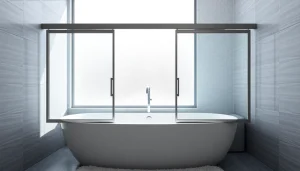
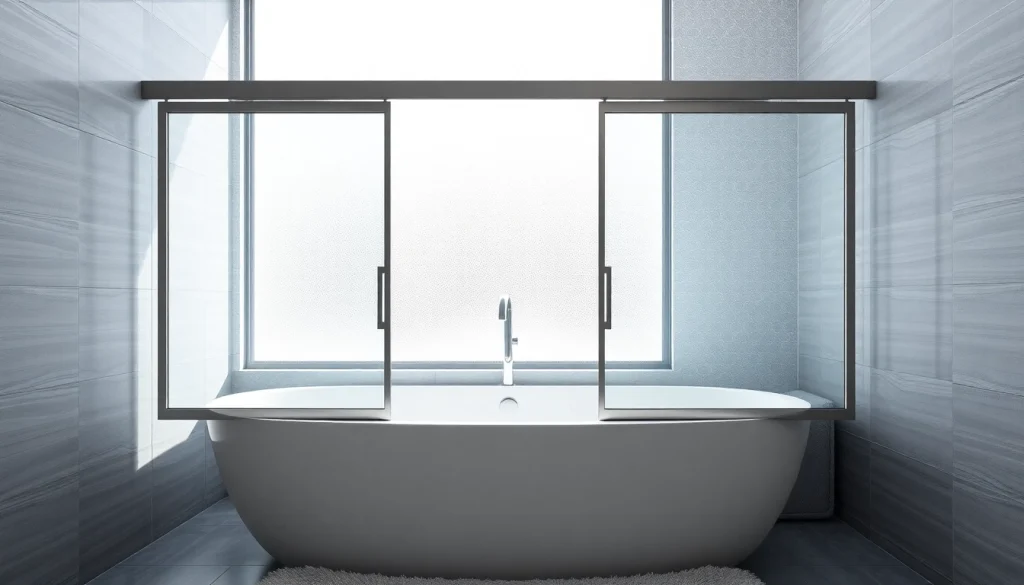
Introduction to Bathtub Sliding Doors
When it comes to enhancing the aesthetic appeal and functionality of your bathroom, bathtub sliding doors are an excellent choice. These contemporary fixtures not only save space but also provide a clean, modern look that fits beautifully in various bathroom designs. In this article, we will explore the essential features, benefits, installation processes, maintenance tips, and comparisons with other types of bathtub doors.
What Are Bathtub Sliding Doors?
Bathtub sliding doors are specialized enclosures designed to cover bathtub openings. They typically consist of two or more glass panels that slide along tracks, allowing easy access while containing water within the tub. This design makes them ideal for smaller bathrooms or alcove bathtubs, where hinged doors may not provide enough space to open freely.
Benefits of Bathtub Sliding Doors
The advantages of bathtub sliding doors are multifaceted. Firstly, they conserve space, allowing you to maximize your bathroom’s layout. Secondly, their modern design brings a sense of elegance to the environment. Lastly, they can be easier to clean than traditional curtains or older hinged models, as they often feature smooth glass surfaces that resist staining.
Key Features to Consider
- Material: Options typically include tempered glass, which offers durability and safety.
- Framing: Decide between framed, semi-framed, or frameless designs based on your aesthetic preference and space.
- Size: Ensure the dimensions fit your bathtub perfectly to avoid leaks and ensure a snug fit.
- Track System: Check if it provides a smooth gliding action and is easy to maintain.
- Sealant Quality: A good sealant prevents water leakage and enhances the longevity of your doors.
Installation Process for Bathtub Sliding Doors
Installing bathtub sliding doors can be a rewarding DIY project. However, ensuring everything is done correctly is crucial to avoid leaks or operational issues.
Tools and Materials Needed
- Measuring tape
- Level
- Drill with bits
- Screwdriver
- Silicone caulk
- Optional: Hammer and chisel
Step-by-Step Installation Guide
- Measure the Bathtub: Accurate measurements are critical. Measure the width and height of the bathtub opening to ensure a perfect fit.
- Install the Bottom Track: Align the bottom track with the bathtub’s edge. Use the level to ensure it is straight before securing it in place.
- Attach Side Panels: Install the side panels by following the manufacturer’s instructions, ensuring they fit securely onto the bottom track.
- Install the Top Track: Secure the top track, ensuring it aligns with the bottom track, providing a straight path for the sliding doors.
- Hang the Doors: Carefully lift the sliding doors onto the top and bottom tracks, ensuring they glide smoothly.
- Seal the Edges: Apply silicone caulk around the edges to prevent water leaks and ensure a watertight installation.
- Final Check: Test the doors by sliding them open and closed, checking for any obstructions or misalignments.
Troubleshooting Common Issues
If the doors do not slide smoothly, check for debris in the tracks and ensure the installation is level. If they seem to misalign, consider adjusting the rollers or rechecking the track installation.
Maintenance Tips for Bathtub Sliding Doors
To maintain the beauty and functionality of bathtub sliding doors, regular upkeep is essential.
Regular Cleaning Techniques
For the glass surfaces, use a mixture of vinegar and water or a commercial glass cleaner to remove soap scum and hard water stains. Avoid abrasive pads that can scratch the surface.
Maintaining Sliding Mechanism
Periodically check the sliding tracks for debris and clean them to ensure smooth operation. Lubricate the rollers if they appear stiff or squeaky, using a silicone-based lubricant.
Signs of Wear and When to Replace
If you notice damage to the glass, rust on the hardware, or persistent leakage issues, it may be time to replace the sliding doors. Regular inspections can help catch problems early.
Comparing Bathtub Sliding Doors to Other Types
Understanding how bathtub sliding doors stack up against other types of doors can help you make an informed choice during your renovation.
Hinged Doors vs. Sliding Doors
Hinged doors swing open, requiring adequate space for clearance, unlike sliding doors, which save space and are ideal for tight areas. If your bathroom is small, sliding doors are the better choice.
Frameless vs. Framed Options
Frameless sliding doors offer a sleek, modern appearance and are easier to clean, but they are generally more expensive and may require thicker glass. Framed options provide more structural support but can appear bulkier.
Cost-Effectiveness Comparison
Although framed sliding doors tend to be less expensive, frameless options can add value to your home in the long run. Assess your budget, style preferences, and long-term plans before deciding.
FAQs about Bathtub Sliding Doors
Can you put a sliding door on a bathtub?
Yes, sliding doors can be installed on bathtubs to create a stylish and functional enclosure, provided the design fits your specific setup.
What are the disadvantages of a sliding shower door?
Disadvantages include the need for regular track maintenance and possible limited entry space. They may also not work well in larger bathrooms where swinging doors could be ideal.
How much does it cost to install glass doors on a bathtub?
Installation costs vary widely, ranging from a few hundred dollars for simpler models up to several thousand for custom glass installations depending on material and design.
Are glass doors on a tub a good idea?
Yes, glass doors can enhance a bathroom’s aesthetic and functionality, making the space feel larger and more luxurious while allowing you to showcase your designed tilework.
What styles are available for bathtub sliding doors?
Styles range from classic framed designs to contemporary frameless options, catering to various aesthetic preferences and bathroom layouts.