Understanding Commercial Videography
Definition and Importance
Commercial videography is the art and science of creating video content tailored to promote products, services, or brands. It plays an indispensable role in modern marketing strategies, allowing businesses to engage audiences through captivating visual storytelling. In today’s digital landscape, attention spans are shorter, and engaging video content can significantly enhance brand visibility and customer conversion rates. A well-crafted video can convey complex ideas quickly and effectively, making it a preferred medium for businesses. Companies are increasingly investing in commercial videography to create compelling advertisements, explainers, and brand stories. This establishes a closer connection with their audiences and builds trust.
Key Components of Commercial Videography
The key components of commercial videography encompass various elements that collectively contribute to the final product. These elements include the creative concept, scriptwriting, storyboarding, cinematography, editing, and sound design. Each aspect must seamlessly blend to create a cohesive narrative that resonates with the target audience. Moreover, attention to detail in each component enhances the overall quality and effectiveness of the video, ensuring it meets the desired goals.
Different Types of Commercial Videos
Commercial videography encompasses a variety of video types, each serving distinct purposes. Some of the most common include:
- Promotional Videos: Designed to showcase products or services and drive sales.
- Corporate Videos: Focus on internal communications, highlighting company culture, values, and achievements.
- Testimonial Videos: Feature satisfied customers sharing their positive experiences to build credibility.
- How-To Videos: Provide valuable instructions or demonstrations related to a product or service.
- Brand Story Videos: Tell the origin story of a brand, connecting emotionally with the audience.
Essential Equipment for Commercial Videography
Cameras and Lenses
The foundation of any quality video production is the camera used to capture it. Choosing the right camera depends on various factors including budget, desired aesthetic, and specific project requirements. DSLRs and mirrorless cameras are popular choices due to their versatility and high image quality. Additionally, the selection of lenses can dramatically affect the visual output. Zoom lenses offer flexibility for various shooting scenarios, while prime lenses excel at providing exceptional clarity and depth of field.
Stabilization Tools
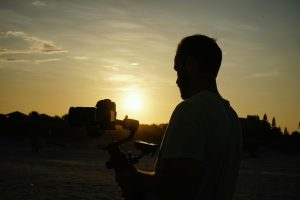
Stability is crucial in creating professional-looking videos. Shaky footage can distract viewers and undermine the message. Common stabilization tools include tripods, gimbals, and steadicams, each serving to smooth out camera movements. Employing these tools not only enhances visual quality but also allows for varied shooting angles and movements, ultimately contributing to more dynamic storytelling.
Audio Equipment Considerations
Audio quality is just as important as visual quality in videography. Poor audio can detract from even the most stunning visuals. A variety of equipment choices exist, including lavalier microphones for capturing dialogue, shotgun microphones for directional audio, and wireless systems for mobility. Investing in high-quality microphones ensures that the sound supports and enriches the video content, creating a polished final product.
Pre-Production Planning for Success
Scripting and Storyboarding
Effective pre-production planning involves scripting and storyboarding to outline the video narrative. A well-structured script articulates the message clearly, while a storyboard visualizes the progression of scenes. This planning phase serves as a roadmap for production, helping to streamline filming and ensuring that all key points are covered while allowing for creative flexibility during shoots.
Location Scouting
Choosing the right location can significantly impact the video’s aesthetic and effectiveness. Location scouting involves identifying sites that align with the video’s themes and messages. Factors such as lighting conditions, ambient sound, and space for the crew and equipment must also be taken into account. Properly scouting locations not only enhances production quality but can also inspire creative ideas and solutions during filming.
Assembling Your Production Team
Behind every successful commercial video is a skilled team of professionals. Assembling a production crew that includes a director, camera operators, sound technicians, and editors, among others, is essential. Each member should have a clear understanding of their roles and responsibilities to ensure smooth collaboration. A well-coordinated team can elevate the production quality and enhance the creative process.
Filming Techniques to Enhance Your Video
Camera Angles and Movements
Diverse camera angles and movements create an engaging visual narrative. Experimenting with different perspectives, such as aerial shots, close-ups, and wide shots, can enhance storytelling. Techniques like panning, tilting, and tracking shots can add dynamism to the video, drawing the viewer’s eye to key elements. It is essential to keep in mind the pacing and framing to ensure that each shot contributes to the narrative flow.
Lighting Strategies
Lighting can make or break a video. Understanding how to manipulate natural and artificial light is crucial to achieving the desired mood and tone. Utilizing three-point lighting setups can provide depth and dimension, while natural light can create warmth and realism. Proper lighting not only enhances aesthetics but also sets the emotional context for scenes, guiding viewer engagement.
Capturing High-Quality Sound
High-quality audio recording is vital in commercial videography. Techniques for achieving superior sound include recording in quiet environments, using high-quality microphones, and monitoring levels during the shoot. It’s also beneficial to plan for post-production sound editing, where additional layers of audio like music, sound effects, and dialogue can be finely tuned for the final mix.
Post-Production: Bringing Your Vision to Life
Editing Software Options
Post-production is where a video comes together. There are several high-quality editing software options available, catering to various levels of expertise. Software such as Adobe Premiere Pro, Final Cut Pro, and DaVinci Resolve offer powerful tools for crafting seamless narratives, including transitions, effects, and color correction. Choosing the right software depends on individual needs and familiarity, but learning the ins and outs will greatly enhance editing efficiency.
Color Grading Techniques
Color grading is a vital step in post-production that sets the final tone of the video. This process involves adjusting colors for consistency and emotive impact. Color grading can enhance the mood, highlight important elements, and create a cohesive look throughout the video. Knowledge of color theory and the use of tools like LUTs (Look-Up Tables) can significantly refine the visual storytelling.
Finalizing and Delivering the Product
The final steps of the video creation process involve refining the project and preparing it for distribution. This includes exporting the video in the appropriate formats suited for various platforms and ensuring compatibility for desired viewing experiences. Quality checks should be performed for sound clarity, resolution, and editing continuity before the final delivery. Communicating clearly with clients regarding project completion and any necessary revisions ensures satisfaction and a smooth handover.
Frequently Asked Questions (FAQs)
What is commercial videography?
Commercial videography involves creating video content designed to promote products or brands, utilizing storytelling to engage audiences effectively.
Why is video content important for businesses?
Video content captures attention, conveys information swiftly, and can improve engagement rates, making it a vital aspect of marketing strategies.
What equipment do I need for commercial videography?
Essential equipment includes a quality camera, lenses, stabilization tools, and audio equipment to ensure high production standards.
How long does the production process take?
The production timeline can vary greatly depending on project complexity, ranging from a few weeks to several months, including pre-production and post-production phases.
Can I do commercial videography on a budget?
Yes, effective videography can be done on a budget by prioritizing essential equipment, minimizing crew size, and leveraging natural lighting and sound resources.