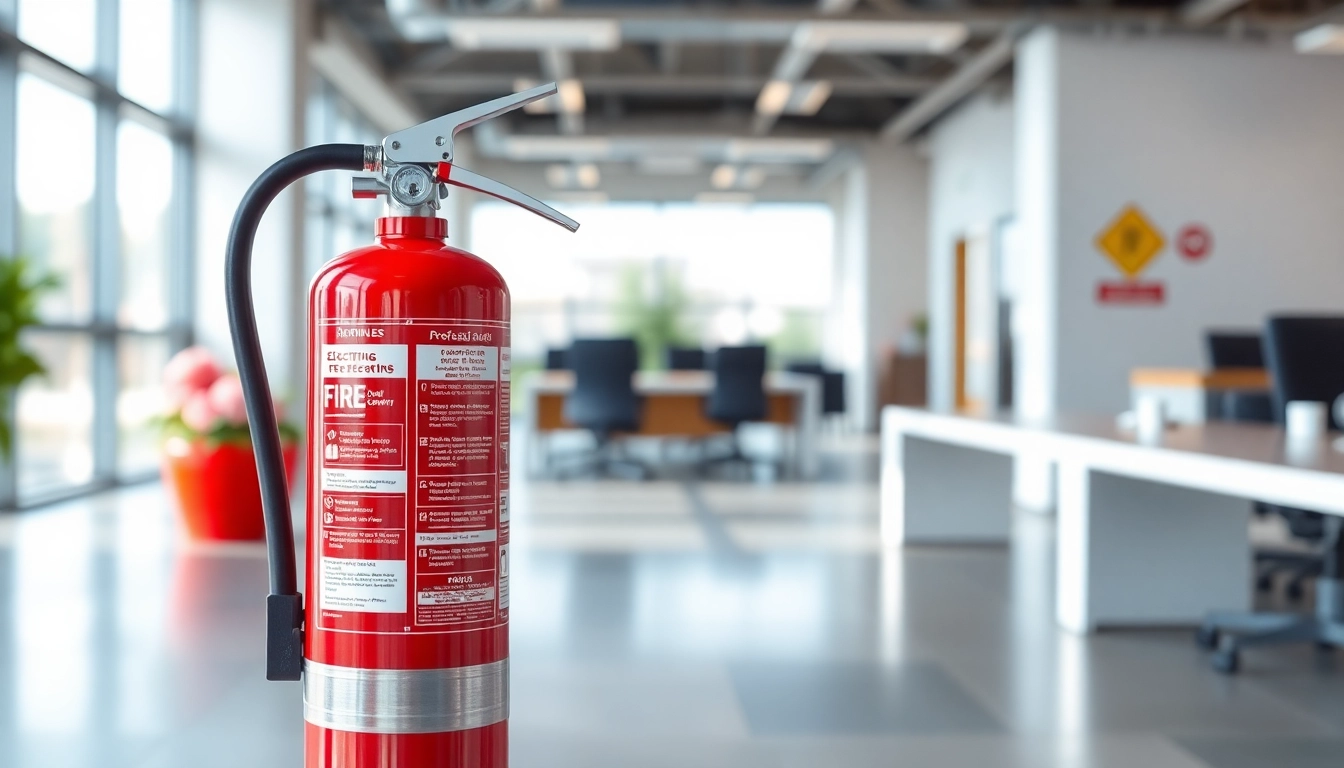
Understanding Electrical Fire Extinguishers
What is an Electrical Fire Extinguisher?
Electrical fires can occur where electricity is used, making electrical fire extinguishers crucial for safety. These specialized extinguishers are designed to combat fires that originate from electrical equipment and wiring. Understanding how they work is essential for anyone in environments like offices, factories, and homes where electrical equipment is prevalent.
Electrical fires can happen due to short circuits, overloaded circuits, or malfunctioning electrical appliances. When these fires ignite, they require different methods for extinguishing; this is where electrical fire extinguishers come into play. Instead of using traditional extinguishing agents like water—which can conduct electricity and worsen the fire—these extinguishers utilize materials that are non-conductive, often made from chemicals that effectively smother the flames without raising the risk of electric shock.
Types of Electrical Fire Extinguishers
There are several types of fire extinguishers suitable for electrical fires, classified by their agent or method of extinguishment:
- Class C Extinguishers: These extinguishers are specifically rated for electrical fires. They typically use carbon dioxide (CO2) or dry chemical agents to put out the fire.
- Dry Chemical Extinguishers: These use a powder, such as monoammonium phosphate, which is effective against Class C fires and can also tackle other types of fires (Class A and B).
- CO2 Fire Extinguishers: Carbon dioxide extinguishers displace oxygen around the fire, effectively suffocating it without causing any damage to sensitive electrical components.
Choosing the right type of extinguisher enhances safety and increases the chances of successfully putting out an electrical fire.
Common Misconceptions about Electrical Fire Safety
Many people harbor misconceptions about electrical fire safety that can lead to dangerous situations. Here are a few common misconceptions:
- Water is Effective Against All Fires: This myth is especially hazardous concerning electrical fires. Using water can conduct electricity and cause electrocution or spread the fire.
- All Fire Extinguishers are the Same: Not all extinguishers are suitable for electrical fires. Using the wrong type can lead to disastrous results.
- Fires can be Handled Without Extinguishers: While calling the fire department is critical, having an extinguisher and knowing how to use it can save property and lives in the early stages of a fire.
How to Select the Best Electrical Fire Extinguisher
Assessing Your Needs and Environment
When selecting an electrical fire extinguisher, assessing your specific needs and environment is crucial. Various factors come into play, including the type of electrical equipment used, the size of the environment, and the number of potential ignition sources.
For residential settings, a portable Class C extinguisher may suffice, while larger commercial environments might require multiple extinguishers placed strategically throughout the premises. Understanding your environment allows for optimized safety measures and ensures that you have sufficient coverage in situations of fire.
Understanding Fire Ratings
Fire extinguishers are rated based on their effectiveness against different classes of fire. It's essential to familiarize yourself with these ratings:
- Class A: Ordinary combustibles (wood, paper).
- Class B: Flammable liquids (fuel, oils).
- Class C: Electrical equipment fires.
Select an extinguisher that is rated for Class C at minimum if your environment involves electrical equipment. Some extinguishers also offer ratings for other classes, providing broader protection.
Comparing Different Models
Once you determine your needs and understand fire ratings, comparing different models becomes crucial. Look for features such as:
- Size: Ensure the extinguisher is portable yet large enough for the type of fire it will encounter.
- Weight: Lighter models are typically easier to handle, especially in emergencies.
- Pressure Gauge: A clear pressure gauge is vital for verifying the extinguisher's operational status.
- Price: While cost shouldn’t be the only factor, it’s important to find a model that offers value without compromising safety.
Best Practices for Using Electrical Fire Extinguishers
How to Properly Operate an Extinguisher
Knowing how to use an electric fire extinguisher can mean the difference between a minor incident and a major disaster. Follow the PASS technique for proper operation:
- Pull: Pull the safety pin at the top of the extinguisher.
- Aim: Aim the nozzle toward the base of the fire, not the flames.
- Squeeze: Squeeze the handle to release the extinguishing agent.
- Sweep: Sweep the nozzle side to side at the base of the fire until it is completely extinguished.
Practice using an extinguisher in a safe environment can also build confidence during emergencies.
When Not to Use an Extinguisher
While it’s essential to act swiftly during a fire, there are scenarios where using an extinguisher is inadvisable:
- If the fire is spreading rapidly or is too large to handle.
- If the fire produces thick smoke or toxic fumes that could cause inhalation hazards.
- If it is safe to evacuate, prioritize safety over extinguishing the fire.
Maintenance Tips for Fire Extinguishers
Regular maintenance of fire extinguishers is necessary to ensure they function when needed. Here are some maintenance tips:
- Check the pressure gauge regularly to confirm the extinguisher is charged.
- Examine for physical damage, such as dents or rust, that could compromise the extinguisher's integrity.
- Schedule professional inspections annually to adhere to safety regulations and best practices.
Regulations and Compliance for Electrical Fire Safety
Local Fire Safety Codes
Local fire safety codes govern the installation and maintenance of fire extinguishers, including those for electrical fires. These codes may vary by region, making it vital to understand the regulations specific to your area. Compliance with these codes not only ensures safety but also prevents legal repercussions.
How to Stay Compliant
Staying compliant with fire safety regulations involves more than just purchasing an extinguisher:
- Keep records of inspections and maintenance performed on your fire extinguishers.
- Ensure training for staff regarding the use of extinguishers and emergency evacuation procedures.
- Regularly review local regulations to stay updated with any changes that may affect compliance.
Regular Safety Drills and Training
Safety drills and training sessions are essential for preparedness. Regular practice can help individuals react swiftly during actual emergencies. Incorporate the following elements into drills:
- Simulate various scenarios, including electrical fires, for which the team must respond.
- Train staff on the operation of extinguishers, evacuation routes, and emergency contacts.
- Evaluate and discuss the performance after each drill to identify areas for improvement.
Future Trends in Electrical Fire Safety Solutions
Advancements in Fire Extinguisher Technology
Innovations in fire extinguisher technology are constantly evolving, enhancing safety and usability. Advanced extinguishers may feature smart sensors that detect fires and automatically deploy an extinguishing agent. Others may incorporate thermal imaging technology to provide clearer visibility in smoke-filled environments, improving response times.
The Role of Smart Technologies in Fire Safety
Smart technologies are becoming integral to fire safety. These solutions can include integrated fire detection systems that communicate with extinguishers or alert local authorities in emergencies. Wearable technology can monitor conditions such as air quality or gas emissions, enabling proactive safety measures in environments with a high risk for electrical fires.
Emerging Best Practices in Workplace Safety
With advancements in technology and safety protocols, best practices in workplace safety continue to emerge. These practices may include implementing comprehensive electrical safety training for employees, using clearly marked safety equipment locations, and upgrading to wireless technology for improved maintenance checks. Investing in safety infrastructure reduces the risk of electrical fires significantly.