Understanding Vapor Barrier Installation
What is a Vapor Barrier?
A vapor barrier is a material used in construction to prevent moisture from penetrating through walls, floors, or ceilings. Typically made of polyethylene plastic sheets, vapor barriers act as a protective layer in crawl spaces and basements, where moisture from the ground can lead to serious issues like mold growth, structural damage, and poor indoor air quality. By keeping excessive moisture at bay, vapor barriers help ensure a healthier environment within your home.
Importance of Vapor Barrier Installation
The Vapor Barrier Installation is critical for several reasons. First, it helps to control humidity levels in your home, which can significantly reduce the risk of mold growth and other moisture-related damage. Second, a properly installed vapor barrier can improve energy efficiency by keeping heating and cooling costs down. Lastly, it protects your home’s foundation from erosion and damage caused by excess moisture.
Common Myths about Vapor Barriers
Despite their importance, several myths about vapor barriers exist. One common misconception is that vapor barriers are only necessary in humid climates. However, even dry regions can experience moisture issues due to poor drainage or plumbing leaks. Another myth is that thicker vapor barriers are always better. While thickness can play a role in effectiveness, the quality of the material and proper installation are far more critical. Lastly, many believe that vapor barriers prevent all moisture; in reality, they significantly reduce but do not eliminate moisture infiltration.
Preparing for Vapor Barrier Installation
Assessing Your Crawl Space Conditions
Before proceeding with vapor barrier installation, it’s crucial to assess the conditions of your crawl space. Start by checking for signs of moisture, such as water stains, mold growth, or a musty odor. Look for any drainage issues outside your home that could contribute to moisture buildup. Additionally, consider the climate in your region, as this will influence the type of vapor barrier material you should use. Thorough assessment will help you determine whether a vapor barrier is necessary and what specific solutions will be most effective.
Tools and Materials Needed
For effective vapor barrier installation, gather the following tools and materials: a measuring tape, utility knife or scissors, heavy-duty polyethylene plastic sheeting (6-mil or thicker), adhesive tape, landscape staples or plastic stakes, and a pair of gloves for safety. You may also want a mask to avoid inhaling dust and mold spores if you encounter them during installation.
Safety Considerations for Installation
Safety is paramount during the installation of a vapor barrier. Ensure the crawl space is well-ventilated before starting work, and consider wearing a mask and gloves to protect against dust and potential allergens. Additionally, check for any loose insulation or wiring that might pose a hazard. If you encounter significant mold or structural damage, consult a professional before you proceed with the installation.
Steps for Effective Vapor Barrier Installation
Measuring and Cutting the Vapor Barrier
Begin by measuring the dimensions of your crawl space to determine how much vapor barrier material you will need. Always account for overlaps when laying out your plastic sheeting. Once you have your measurements, use a utility knife or scissors to cut the vapor barrier to size, ensuring it covers all areas, including around pillars or posts.
Securing the Barrier Properly
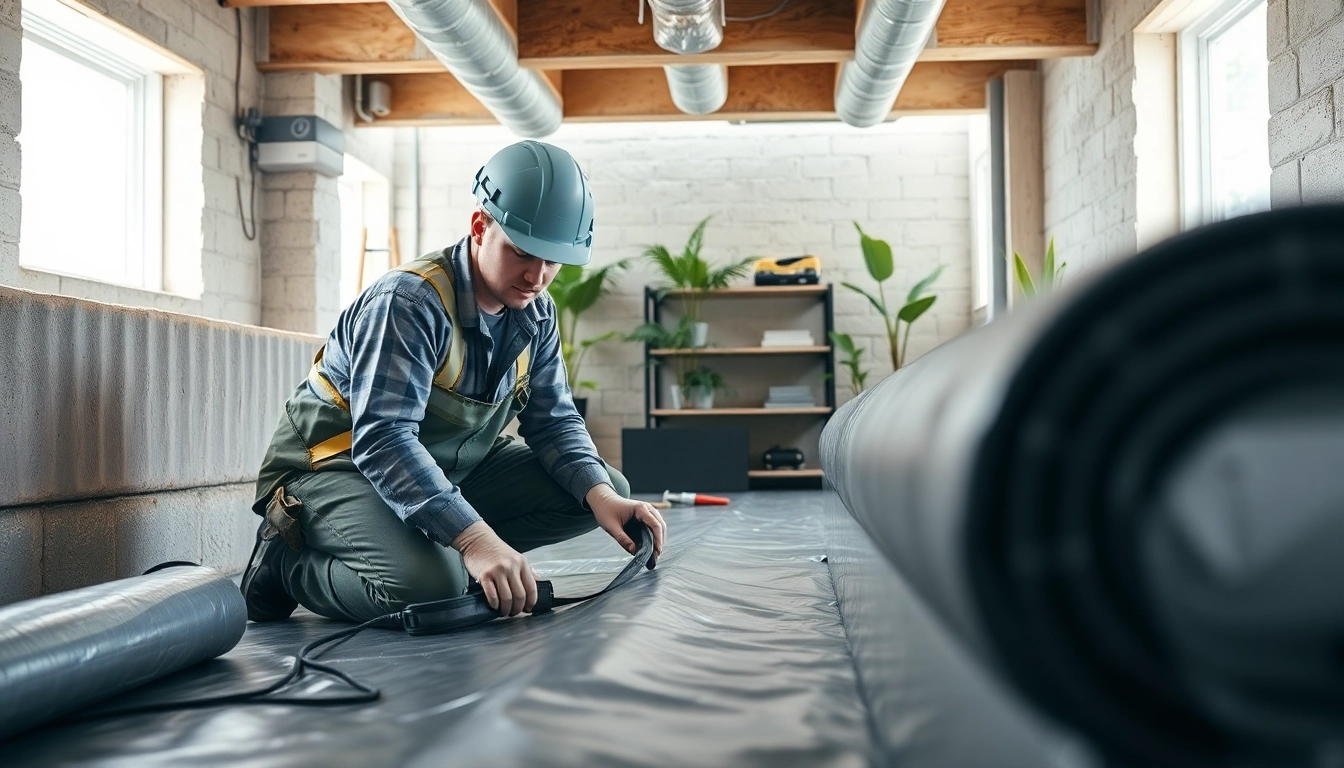
After cutting the vapor barrier, lay it down flat across the entire crawl space floor. Make sure it overlaps at the seams—aim for at least 12 inches overlap for optimal effectiveness. Use adhesive tape to secure the seams and prevent moisture from seeping through. In addition, landscape staples can be used to anchor the barrier to the ground, especially in windy conditions or areas prone to movement.
Ensuring Complete Coverage
It's essential to ensure that the vapor barrier provides complete coverage across the crawl space. Pay close attention to corners and edges, and seal any gaps or openings where moisture could potentially enter. If your crawl space has support pillars, ensure that the vapor barrier extends up the side of each pillar for full protection. Complete coverage guarantees maximum effectiveness in moisture control.
Post-Installation Maintenance Tips
Regular Inspection Procedures
Once your vapor barrier is installed, regular inspections are necessary for maintaining its integrity. Check the vapor barrier at least twice a year, looking for tears, punctures, or areas where it has become unsealed. Ensure that proper drainage is maintained outside your home to prevent moisture accumulation from impacting the vapor barrier.
Signs of Vapor Barrier Failure
Be alert for signs of vapor barrier failure, such as increased humidity in your crawl space, visible mold growth, or an unpleasant odor. If you notice any of these issues, it may indicate that your vapor barrier is compromised and needs immediate attention. Addressing these signs quickly can prevent further damage to your home.
When to Seek Professional Help
If you're uncertain about the condition of your vapor barrier or suspect you may have encountered significant moisture issues, it's best to seek professional help. Experts can conduct comprehensive evaluations and suggest appropriate measures to address any underlying problems, ensuring that your home remains protected from moisture damage.
FAQs About Vapor Barrier Installation
How long does a vapor barrier last?
A correctly installed vapor barrier can last over 20 years, depending on factors like material quality and environmental conditions.
Can I install a vapor barrier myself?
Yes, DIY vapor barrier installation is possible if you're familiar with home improvement practices, but hiring professionals ensures optimal results.
What materials are best for vapor barriers?
Typically, polyethylene plastic sheets are the most effective and commonly used materials for vapor barrier installation.
Is a vapor barrier necessary in all crawl spaces?
Not all crawl spaces need a vapor barrier; it depends on moisture levels and local climate conditions. Assess your situation carefully.
What should I do if my barrier is damaged?
If you notice tears or punctures in your vapor barrier, repair or replace it immediately to prevent moisture issues.