

Understanding Cape Cod Home Addition Basics
What is a Cape Cod Home Addition?
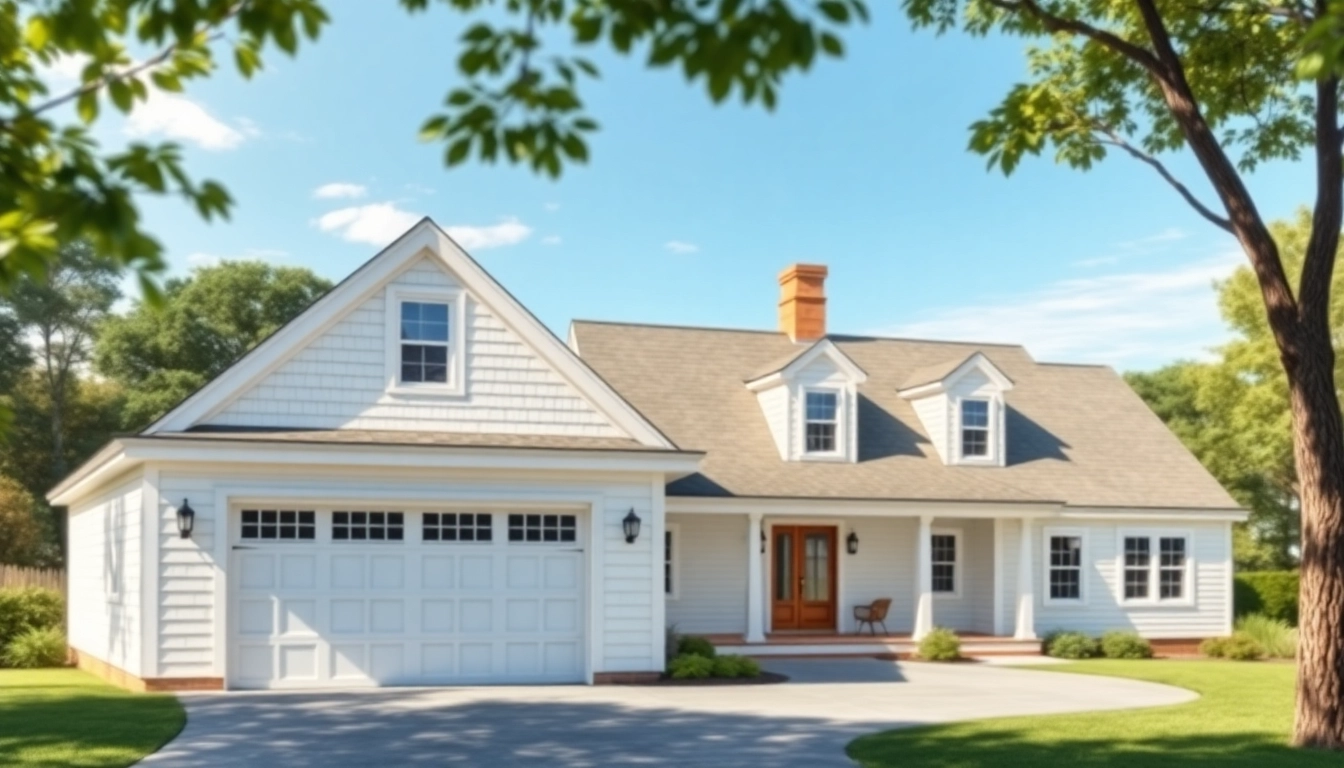
A Cape Cod home addition refers to an expansion of an existing traditional Cape Cod-style home, which is typically characterized by its steep roof, dormer windows, and symmetrical facade. These additions can vary from enhancing living spaces to adding functionality, such as an attached garage or an additional bedroom. No matter the reason for the expansion, careful attention to design and integration with the existing architecture is crucial.
Key Benefits of a Cape Cod Home Addition
The advantages of undertaking a Cape Cod home addition are manifold. First and foremost, such projects provide increased space to accommodate a growing family or enhance lifestyle needs. This could involve creating an open-concept living area or constructing a dedicated space for hobbies.
Moreover, a well-executed addition can significantly boost a home’s value. In a market with escalating real estate prices, adding square footage can yield a high return on investment. Additionally, modifications can enhance energy efficiency by integrating modern insulation and windows, thus reducing long-term utility costs.
Common Regulations and Approvals
Before embarking on a Cape Cod home addition, understanding local building codes and zoning laws is imperative. Most municipalities require permits, and regulations can dictate the size and positioning of your addition to maintain neighborhood aesthetics. It’s best practice to consult with local planning boards or an architect familiar with building regulations. This initial step can save time, money, and the potential for future complications.
Design Inspirations for Your Cape Cod Home Addition
Traditional vs. Modern Cape Cod Additions
When considering the design of your cape cod home addition, the choice between a traditional and modern approach can set a defining tone for your property.
Traditional designs often employ classic materials such as clapboard siding, cedar shakes, and muted color palettes that harmonize with stylistic roots. These elements uphold the integrity of the Cape Cod style, offering elegance while ensuring that the addition fits seamlessly into the existing structure.
On the other hand, modern Cape Cod additions embrace contemporary aesthetics, integrating clean lines, expansive windows, and innovative materials like steel or fiber cement siding. These modern interpretations can provide striking contrasts that highlight the historical significance of the original home.
Incorporating Natural Light in Design
Natural light is a key component in any home addition, fundamentally influencing the mood and usability of spaces. Large picture windows or sliding glass doors can create inviting views and foster a connection with the outdoor environment. Skylights are another excellent option for enhancing daylight, particularly in areas where horizontal windows may be limited.
Consider well-placed, high-performance windows that maximize energy efficiency and reduce heating costs while still providing ample lighting. In addition, open, airy floor plans can facilitate light flow and improve overall space utilization.
Color Schemes and Materials To Consider
Your color scheme should reflect both the existing home and personal style. Traditional Cape Cod homes often feature colors like soft blues, grays, and whites that evoke coastal charm. A modern addition might benefit from bolder hues or contrasting colors to create a more striking visual impact.
Material choices should align with desired durability and maintenance needs. Natural materials, such as wood, stone, and brick, are not only timeless but also align with sustainable building practices. When combined with modern elements like metal or glass, homeowners can achieve a harmonious balance between old and new.
Planning Your Cape Cod Home Addition Project
Working with Architects and Designers
Engaging an architect or designer experienced in Cape Cod homes can make a significant difference in the success of your home addition. These professionals not only bring a wealth of design experience but can also help avoid common pitfalls. They will provide insight into maintaining architectural integrity while addressing functional family needs.
Start by discussing your vision, budget constraints, and any particular features you envision. It’s crucial they understand your lifestyle to create spaces that will genuinely enhance your daily living.
Setting a Realistic Budget
A well-planned budget is essential for any home addition project. Start by assessing how much you can realistically invest, keeping in mind that costs can fluctuate based on materials, labor, and unforeseen circumstances. It’s advisable to earmark 10-20% of your budget for unexpected expenses.
Thorough research and getting multiple bids from contractors will aid in finding the right fit for your project. Including your architect in budget discussions can also provide informed insights into material choices and design complexities that influence overall expenses.
Choosing the Right Contractor
Your contractor is pivotal in bringing your vision to life. Selecting a reputable contractor with specific experience in home additions is crucial. Look for reviews, past project portfolios, and obtain references to ensure they possess the skills and reliability needed for a successful build.
Set clear expectations regarding timelines, costs, and the extent of involvement you desire during construction. Regular communication can help keep the project aligned with your vision and mitigate potential delays or misunderstandings.
Implementation Strategies for Successful Additions
Project Timeline and Milestones
Establishing a clear timeline with defined milestones will not only keep all parties accountable but also provide a roadmap to measure progress. Key milestones often include obtaining permits, completion of groundwork, framing, and finishing stages.
Keep in mind seasonal weather patterns, as they can affect timelines significantly in certain locations. Openly discuss these factors with your contractor to develop a realistic project schedule.
Managing Costs Effectively
Cost management is a continuous process throughout the addition project. Beyond the initial estimates, regular monitoring of progress against the budget can help avoid excessive overruns. Establishing a tracking system—be it through spreadsheets or project management software— will provide clarity on where funds are allocated and alert you to any discrepancies.
Consider durability and maintenance impacts when choosing materials. Sometimes, opting for a slightly higher initial investment can yield long-term savings through energy efficiency and lower maintenance costs.
High-Quality Building Materials for Longevity
Choosing high-quality materials is essential for ensuring the longevity of your Cape Cod home addition. Prioritize sustainable materials that can withstand the local climate while offering energy efficiency. Investing in energy-efficient windows, sturdy roofing, and weather-resistant siding will enhance both comfort and performance.
In addition, ensure to source materials from reputable suppliers to guarantee quality. Taking the time during the planning phase to understand material options can ultimately prolong the life of your addition.
Frequently Asked Questions About Cape Cod Home Additions
What is the average cost of a cape cod home addition?
The cost of a cape cod home addition can range significantly based on size, materials, and complexity, typically starting around $100,000.
How long does it take to complete a cape cod home addition?
A cape cod home addition project usually takes between 3 to 6 months, depending on design and construction scope.
Are there permits required for a cape cod home addition?
Yes, homeowners need to obtain building permits and follow local zoning rules before starting a cape cod home addition project.
Can I live in my home during the construction of a cape cod home addition?
Yes, many homeowners choose to stay during construction, but it may involve some inconveniences due to noise and limited access.
What styles work best with cape cod home additions?
Styles that complement the classic Cape Cod aesthetic include shingle-style, colonial, and contemporary designs that maintain harmony.