Understanding Saltwater Fly Fishing
The Basics of Saltwater Fly Fishing
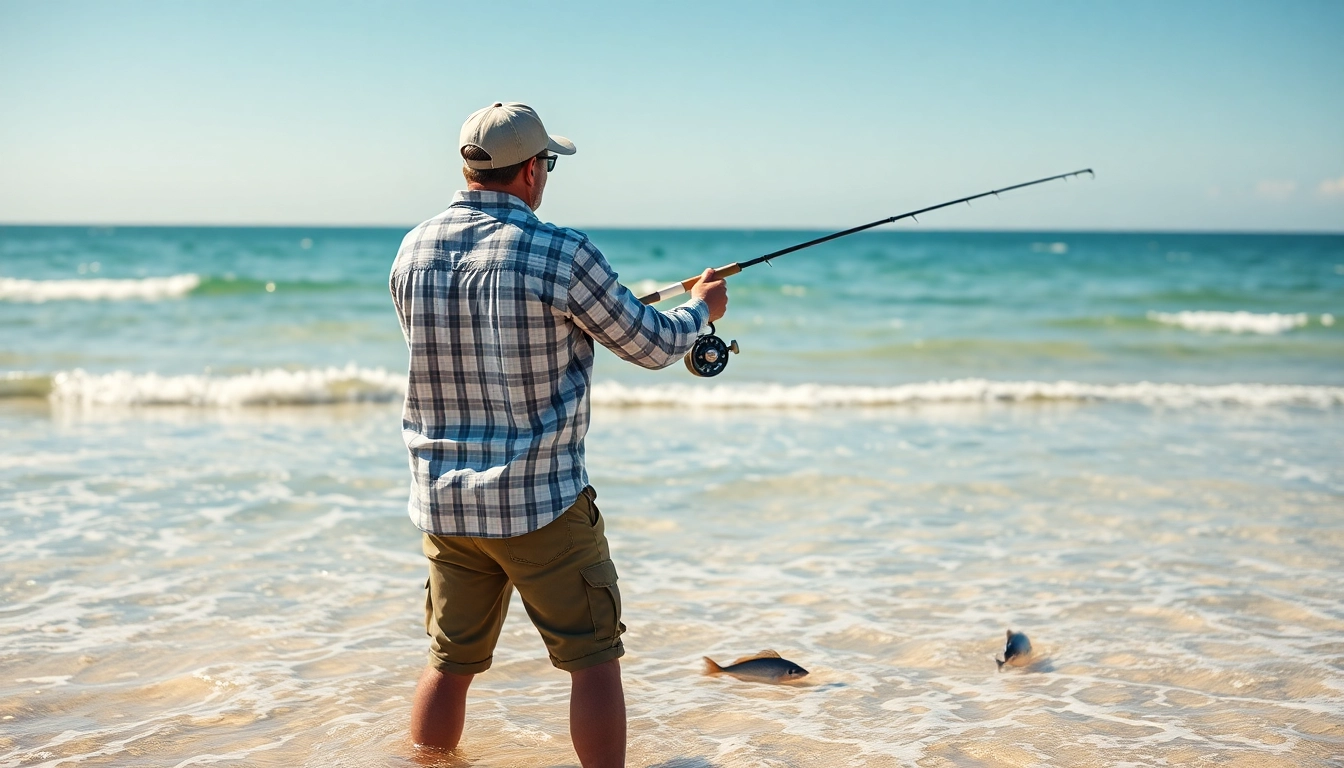
Saltwater fly fishing is an exhilarating pursuit that involves casting artificial flies into oceans, coastal waters, and bays to catch various saltwater fish species. Unlike conventional fishing methods that often use bait and tackle, fly fishing relies on the idea of matching the imitation fly to the natural food sources fish pursue, showcasing the skill of the angler. One of the most appealing aspects of saltwater fly fishing is the diverse environments it encompasses, ranging from serene beaches to tumultuous surf zones. This diversity makes it a favored choice for many anglers around the globe.
Another defining aspect of saltwater fly fishing is the species it targets. Species such as bonefish, tarpon, permit, and various others draw enthusiasts due to their strength and tenacity when hooked. Beginners often find the mechanics of fly casting challenging, yet rewarding, enhancing the overall angling experience as skills improve.
As interest grows, more resources are available, including Saltwater fly fishing guides, instructional videos, and local workshops that introduce newcomers to the sport.
Key Differences from Freshwater Fishing
While the core principles of fly fishing apply to both saltwater and freshwater environments, several prominent differences set them apart, primarily in habitat, the species of fish pursued, and required gear. Saltwater species are generally larger and more robust than their freshwater counterparts, necessitating stronger gear, including heavier rods and lines designed to withstand the harsh environmental conditions.
Moreover, saltwater fishing often involves unique casting techniques tailored to open water and windy conditions, which contrasts with the more controlled environments typically found in freshwater fishing.
Weather conditions also significantly impact saltwater fishing, especially regarding tides and currents, aspects that freshwater fishers might enter with less consideration. Understanding these environmental variables is crucial for success in saltwater fly fishing.
Common Myths and Misconceptions
Several myths surround saltwater fly fishing, often dissuading newcomers from joining the sport. One common misconception is that fly fishing is exclusively for large, experienced anglers. In reality, saltwater fly fishing is accessible for all skill levels, and numerous resources are available for beginners.
Another myth is the belief that you need the priciest gear to succeed in saltwater fly fishing. While high-quality equipment can enhance the experience, enthusiasts can start with relatively affordable gear and gradually upgrade as they become more experienced.
Lastly, many believe that saltwater fly fishing is limited to specific seasons or geographic areas. In truth, saltwater fly fishing is a year-round pursuit in many regions, where different species are available at various times of the year, offering something for everyone.
Essential Gear for Saltwater Fly Fishing
Choosing the Right Rod and Reel
The choice of rod and reel is fundamental to a successful saltwater fly fishing experience. Fishing rods are classified by their length, action, and weight. Saltwater fly rods typically range from 8 to 12 feet, with a weight of 8 to 12 or more, depending on the fish species targeted.
For instance, a 9-weight rod is ideal for bonefish and small tarpon, while a 12-weight is often recommended for larger species like shark. The action of the rod also plays a crucial role—faster action rods deliver power, ideal for long casts, while slower action rods provide better finesse in smaller waters.
The reel you select should balance the rod's weight and provide a smooth drag system to handle the strong pulls of saltwater species. Look for corrosion-resistant materials to withstand the harsh saltwater environment.
Essential Fly Patterns for Saltwater Species
The flies you use can significantly affect your success while saltwater fly fishing. Various fly patterns exist, each designed to mimic different prey species like crustaceans, baitfish, or even insects in their aquatic forms. Common patterns include clousers, deceivers, and merkins.
For targeting species like bonefish, using small shrimp patterns or crab flies can prove effective, while larger baitfish imitations work well for species like tarpon and bluefish. Experimenting with colors, sizes, and actions can yield different results based on the fishing conditions and specific species behavior.
Additionally, local fly shops often have recommendations based on the most recent conditions; adapting to this advice can boost the odds of a successful outing.
Clothing and Safety Gear Considerations
Proper clothing and safety gear are crucial when participating in saltwater fly fishing. Exposure to the elements can be a considerable risk, especially when you spend extended hours on the water. Invest in moisture-wicking fabrics that dry quickly and offer UV protection to shield you from the sun's harmful rays.
Footwear should also be considered. Waterproof shoes or boots with ample traction are essential for navigating rocky or slippery surfaces safely. Additionally, wearing a wide-brimmed hat and polarized sunglasses can provide further protection against the sun and enhance visibility into the water, helping you spot fish more easily.
Life jackets or personal flotation devices (PFDs) are necessary for safety, especially when fishing in deeper waters or on boats. It's better to be prepared than to risk an emergency.
Techniques to Enhance Your Saltwater Fly Fishing
Effective Casting Techniques for Open Water
Mastering casting techniques specific to open water is imperative for successful saltwater fly fishing. Wind, longer distances, and sudden fish behavior can complicate the casting process. Techniques such as the double haul—a method using both hands to increase casting speed—can greatly improve distance and accuracy.
Practicing with a weighted line can also help you develop the necessary strength and precision for longer casts in tougher conditions. Consider practicing in varied wind conditions to adapt your skills to different scenarios you might face while fishing.
Reading the Water: Identifying Fish Habitats
Understanding how to read the water can greatly increase your chances of finding fish. Look for signs such as moving water, ripples, or currents that may indicate the presence of fish. Fish often gather around structures like reefs, jetties, or mangroves, where they can find shelter and food.
Observe the surface for signs of fish activity, such as breaking water, diving birds, or sudden splashes. Knowing how tides and currents influence fish behavior also plays a critical role, as fish often move with the tide or gather at specific times near structures.
Retrieval Methods for Different Species
Using the right retrieval method is vital to enticing fish to bite. Different species respond to varied techniques—including steady retrieves, strip retrieves, or pauses—mimicking the movements of their natural prey under different conditions.
For species like tarpon, a more erratic strip retrieve can provoke a strike, while bonefish may respond better to a slow, steady retrieve that imitates a hapless crab or shrimp. Pay attention to feedback from fish as you experiment with your retrieve, and adjust accordingly to improve your catch rates.
Top Saltwater Fly Fishing Locations
Popular Destinations Around the World
When it comes to the top saltwater fly fishing destinations, several locations stand out. The Florida Keys, renowned for their stunning beauty and diverse gamefish species, attract anglers year-round. Other notable locales include the Bahamas, with its pristine flats teeming with bonefish, and Belize, famous for its permit and tarpon fishing.
Moving to the West Coast, California offers opportunities to pursue various species off its rugged shores, while Hawaii boasts unique island fishing experiences targeting species like the endemic ʻōpelu. Each location offers unique settings and challenges that contribute to the sport’s allure.
Seasonal Considerations for Each Locale
Seasonality plays a critical role in determining when to fish certain locations. For instance, the peak season for tarpon fishing in the Florida Keys typically runs from April to July, while bonefish are most abundant in the fall and late spring months. Similarly, the Bahamas' bonefish populations peak during the winter months when the water temperatures are cooler.
Therefore, understanding these seasonal patterns can significantly increase your chances of targeting specific species at optimal times, enhancing your overall fishing experience.
Target Species and Their Behavior by Region
Each geographic region hosts distinct species exhibiting unique behaviors that anglers should understand for successful saltwater fly fishing. In the Florida Keys, anglers may frequently target tarpon, which move in migratory patterns influenced by tides and moon phases.
Conversely, the northern coasts of the U.S. often have seasonal runs of striped bass and false albacore, where locating them can depend heavily on the time of year and weather conditions. In contrast, tropical regions often boast year-round opportunities to target species like jacks, snappers, and groupers.
Factors like ocean currents, bait movement, and local weather can all help in predicting where fish will be, enhancing your chances of a successful outing.
Improving Your Saltwater Fly Fishing Skills
Practice Drills to Enhance Casting Precision
To effectively enhance your casting skills, engage in practice drills focusing on distance, accuracy, and line control. One effective drill involves casting at specific targets placed at varying distances to improve precision. You can use marked spots on the water or even floating objects as targets.
Incorporating two-handed rods can also help sharpen your casting techniques. Regular practice in diverse wind conditions will further reinforce your abilities, building confidence and skill over time. Remember, repetition combined with adjusting techniques based on performance feedback is key.
Learning from Experts: Books and Resources
Gaining insight from experienced anglers can propel you ahead in your saltwater fly fishing journey. Numerous books and online resources delve into various aspects of the sport, including casting techniques, species behavior, and environmental factors to consider. Authors like Lefty Kreh and Bob Popovics have penned invaluable resources rich in knowledge spanning decades.
Tuition opportunities through workshops, online courses, or guided trips can further enhance your understanding of the sport while allowing you to learn from specialists in the field. Engaging with local fishing communities or online forums can also provide tailored advice based on fellow enthusiasts' experiences.
Engaging with the Saltwater Fly Fishing Community
Becoming an active member of the saltwater fly fishing community can offer immense benefits and lifelong relationships. Joining local clubs or participating in meetups often leads to invaluable networking opportunities, sharing tips, and learning from fellow anglers. Social media platforms allow for real-time exchanges, fostering camaraderie among enthusiasts.
Additionally, attending fishing expos or competitions not only sharpens your skills but opens avenues for discovering new products and gear. Immersing yourself in the community can ultimately enhance your fishing experiences significantly.
Engaging with saltwater fly fishing is a profound experience, merging the art of casting with an understanding of the aquatic environment. With the right gear, techniques, and a passion for learning, you can embark on a rewarding journey through this dynamic sport. Whether you're casting from a pristine beach or a fast-flowing river mouth, success can come with patience and dedication.