Understanding Fly Fishing Apparel
What is Fly Fishing Apparel?
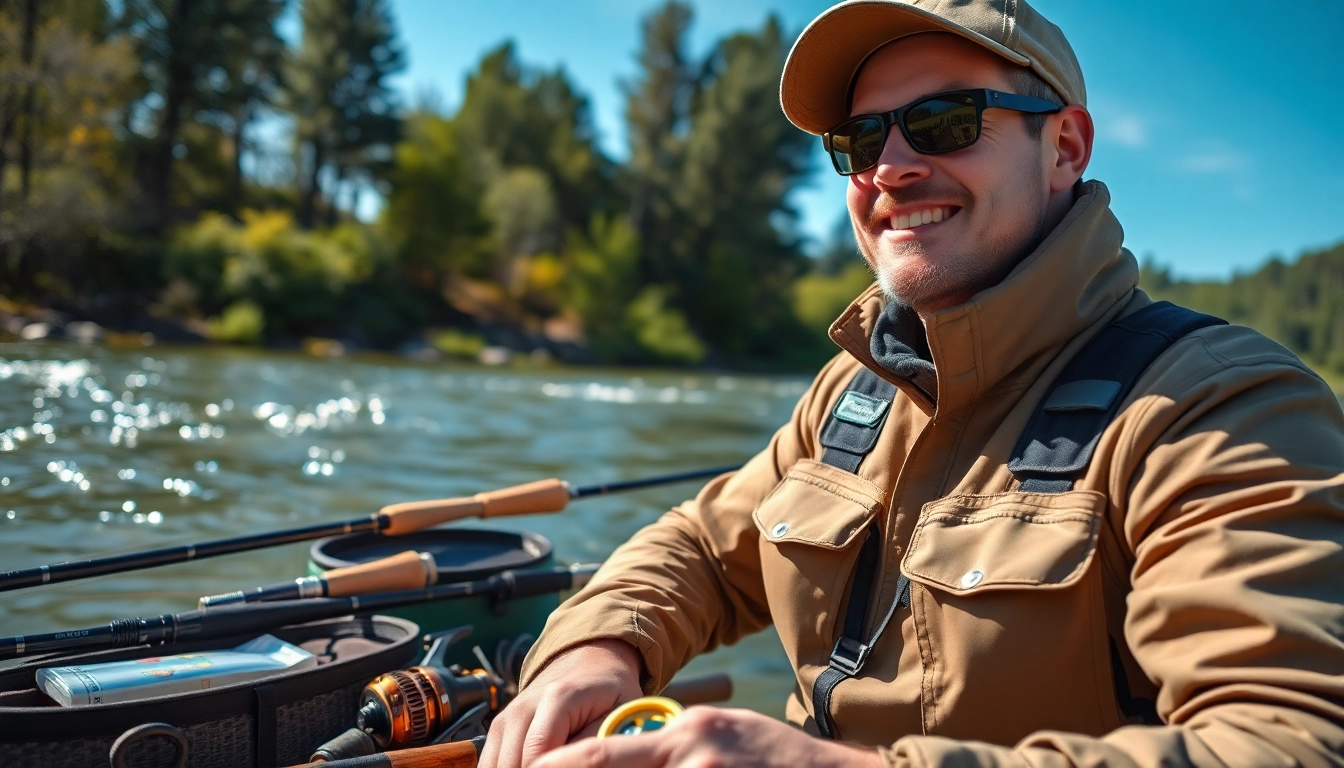
Fly fishing apparel encompasses specialized clothing and accessories designed to enhance the fishing experience. This category of clothing includes items such as shirts, pants, jackets, hats, and footwear, all tailored to meet the unique needs of fly fishermen. These garments prioritize function over form, incorporating various technologies that improve comfort, mobility, and protection while on the water. The right fly fishing apparel is not just about looking good; it plays a crucial role in the overall effectiveness and enjoyment of the sport.
Importance of Quality Materials
The selection of materials used in fly fishing apparel can dramatically affect a fisher's comfort and performance. Breathable, moisture-wicking fabrics such as polyester and nylon are commonly used, as they help manage sweat and keep the body dry. Additionally, many garments feature waterproof or water-resistant treatments to provide protection against the elements. High-quality materials are not only durable but also offer UV protection, ensuring that sun exposure does not hinder your fishing experience.
How Fly Fishing Apparel Enhances Performance
Quality fly fishing apparel enhances performance in several ways. It allows for greater freedom of movement, essential when casting, reeling, or navigating uneven terrain. Functional features like reinforced stitching and UV protection offer safety and durability. Moreover, the layering of garments enables anglers to adapt to changing weather conditions easily, maintaining warmth during chilly mornings and providing cooling options in the heat of the day. Ultimately, investing in the right apparel can lead to more successful and enjoyable fishing trips.
Key Features of Effective Fly Fishing Apparel
Water-Resistant Technologies
Water resistance is a hallmark feature of effective fly fishing apparel. Many garments utilize advanced materials with built-in waterproof or water-repellent properties, keeping anglers dry even during unexpected showers. Look for fabrics such as Gore-Tex or similar hydrophobic materials that allow for moisture exchange while blocking rain from penetrating. These technologies are complemented by sealed seams that prevent water from seeping in, providing robust protection in wet conditions.
Ventilation and Breathability
Fly fishing often involves long hours under the sun, making ventilation and breathability critical components of quality apparel. Features like mesh panels, adjustable vents, and lightweight materials allow heat to escape and fresh air to circulate. This ventilation helps regulate body temperature and reduces the risk of overheating, enhancing comfort and performance throughout the day. Look for shirts with roll-up sleeves and pants with zip-off legs for added versatility.
Durability and Protection
Durability is essential in fly fishing apparel, which must withstand harsh outdoor conditions while resisting wear and tear from equipment and the environment. Reinforced knees, abrasion-resistant fabrics, and strong zippers are essential features to look for. Integration of UPF (Ultraviolet Protection Factor) ratings in materials provides essential sun protection, safeguarding the skin during long days on the water. Durable apparel ensures that anglers can rely on their clothing trip after trip.
Choosing the Right Fly Fishing Apparel for Different Conditions
Temperature Considerations
When selecting fly fishing apparel, temperature plays a significant role. In colder climates, layering becomes essential. Base layers made from merino wool or synthetic materials trap heat while maintaining breathability. Mid-layers, like fleece or down jackets, provide extra warmth, and outer shells protect against wind and water. Conversely, in warmer conditions, airy fabrics and lighter colors help to reflect sunlight, keeping the body cool and comfortable.
Water Conditions: Freshwater vs. Saltwater
The type of water can dictate apparel choices. Freshwater fishing often takes place in cooler environments, demanding different materials than saltwater fishing, which may expose anglers to higher temperatures and saltwater corrosion. Saltwater fly fishing apparel should prioritize rust-resistant features and quick-drying fabrics that can handle both sun exposure and moisture. Freshwater options may focus more on insulation and warmth during cooler morning hours.
Selecting Based on Fishing Environment
Different fishing environments also necessitate unique considerations when choosing fly fishing apparel. Rocky terrains demand sturdy footwear with adequate ankle support, while mud-prone areas may require waterproof pants to maintain dryness. In contrast, fishing amidst heavy vegetation might require clothing that is snag-resistant. Researching the specific location can guide anglers in selecting the right equipment to ensure comfort and functionality.
Style Meets Function: Aesthetic in Fly Fishing Apparel
Current Fashion Trends in Fly Fishing
The intersection of style and functionality in fly fishing apparel has come a long way. Current trends embrace vibrant prints, sustainable materials, and designs that transition seamlessly from water to land. Earthy tones remain popular for offering camouflage, while bold colors add visibility and personality to an angler's gear. As sustainability becomes more prevalent, brands are increasingly incorporating recycled materials and eco-friendly practices into their lines.
Color Choices for Visibility and Safety
Color plays a crucial role in safety and visibility while fishing. Brightly colored apparel can help ensure that anglers are noticeable to others, particularly in crowded areas. Additionally, colors that stand out against natural backgrounds can assist in locating fellow anglers. Moreover, incorporating reflective materials increases visibility during low-light conditions, adding an essential safety component to apparel choices.
Combining Practicality with Style
Merging style and practicality is pivotal in today’s fly fishing apparel landscape. Versatile designs with multiple pockets, adjustable features, and stylish cuts allow anglers to look good while enjoying the full functionality of their clothing. This practicality ensures that anglers are equipped for various activities, from casting to enjoying a casual meal post-fishing, without needing a complete wardrobe change.
FAQs about Fly Fishing Apparel
What materials are best for fly fishing apparel?
The best materials for fly fishing apparel include lightweight, breathable fabrics like polyester and nylon, which wick moisture away from the body. Additionally, look for materials with UV protection and water resistance for optimal performance.
How do I choose the right size for fly fishing apparel?
Choosing the right size involves considering the fit—look for garments that allow freedom of movement without being too loose or tight. Check sizing charts, as fit may vary by brand, and prefer layering options if you're fishing in variable conditions.
Can I wear regular clothes for fly fishing?
While you can wear regular clothes, they often lack the technical features found in fly fishing apparel, such as moisture-wicking materials and UV protection. These specialized clothes enhance comfort and performance on the water.
What are common features in high-quality fly fishing apparel?
Common features include water-resistance, breathability, UPF protection, reinforced seams, and numerous pockets for gear storage. These elements are essential for performance in diverse fishing scenarios.
How do I care for fly fishing apparel?
Care instructions vary by material; however, most include washing on gentle cycles and avoiding fabric softeners or bleach. Always check the label for specific guidance to ensure longevity and performance integrity.