

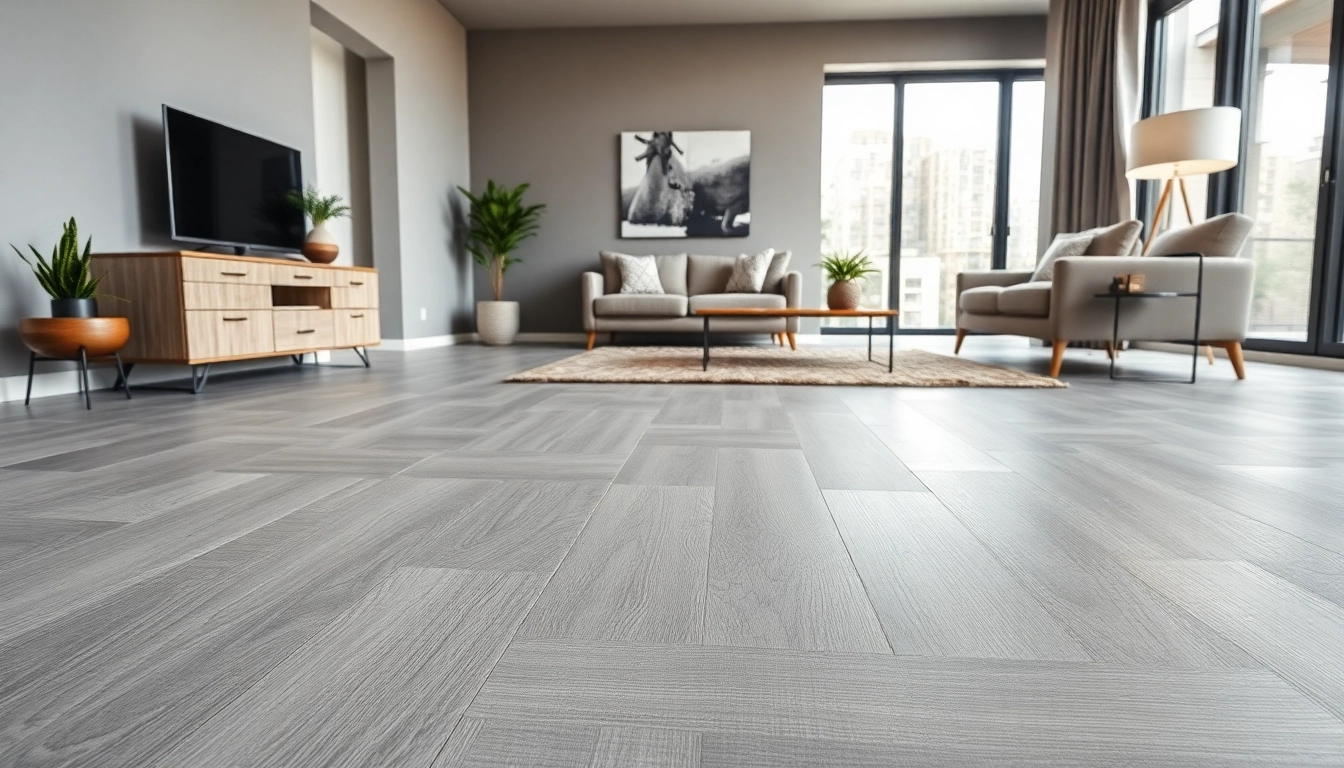
Understanding Best LVP Flooring
What is LVP Flooring?
Luxury Vinyl Plank (LVP) flooring is a modern flooring solution that mimics the appearance of natural wood or stone. Made up of multiple layers, this type of vinyl flooring offers a combination of beauty, affordability, and versatility. LVP has gained immense popularity in residential and commercial spaces due to its realistic design, ease of installation, and maintenance. Unlike traditional hardwood floors, which can be prone to warping and scratching, LVP is engineered to withstand everyday wear and tear, making it a robust option for high-traffic areas.
Key Features of Best LVP Flooring
The best lvp flooring options come with several distinguishing features. These include:
- Realistic Aesthetics: LVP flooring is designed with high-definition printed images that replicate the textures and colors of natural materials.
- Durability: It is scratch, dent, and stain-resistant, making it suitable for homes with pets or children.
- Water Resistance: Many LVP products are waterproof, allowing for installation in moisture-prone areas like kitchens and bathrooms.
- Easy Maintenance: LVP requires minimal upkeep—regular sweeping and occasional mopping are usually sufficient.
- Comfort Underfoot: The product is softer and warmer to the touch compared to traditional tile or hardwood.
Durability and Maintenance
Durability is a cornerstone of LVP flooring. Most high-quality LVP options come with a wear layer that provides protection against scratches and stains, ensuring that your floors look new for years. The flooring is also resistant to moisture, making it ideal for basements and laundry rooms where humidity levels can fluctuate.
Maintenance is straightforward as LVP does not require waxing or refinishing. All it takes is routine cleaning to preserve its appearance. It’s essential to keep the surface free from debris that could cause scratches. Use a damp mop with a mild detergent for deeper cleans.
Benefits of Choosing LVP Flooring
Cost-Effective Flooring Solution
One of the most compelling reasons to consider LVP flooring is its affordability. Compared to traditional hardwood or ceramic tile, LVP provides a similar aesthetic at a fraction of the cost. Additionally, the installation process for most LVP products is less labor-intensive, which can further reduce your overall expenses. This cost-effectiveness makes it an attractive option for both budget-conscious homeowners and property managers.
Variety of Design Options
Today’s LVP offerings come in a wide range of designs, colors, and textures. Whether you’re looking for the rustic charm of reclaimed wood or the sleek appearance of polished stone, there is an LVP product that suits your taste. This extensive variety allows homeowners to customize their spaces effectively, enhancing the overall aesthetic without needing significant renovations.
Easy Installation Process
Another significant advantage of LVP flooring is its installation ease. Many LVP products use a click-lock mechanism that allows for a floating floor installation, meaning that homeowners can lay the flooring without glue, nails, or staples. This feature not only makes it accessible for DIY enthusiasts but also reduces the time and cost associated with professional installation.
How to Select the Best LVP Flooring for Your Home
Assessing Your Needs and Lifestyle
Identifying your specific needs is a crucial first step in selecting the best LVP flooring. For example, households with pets may require more durable and scratch-resistant options, while those with young children may want softer flooring that is easy to clean. Consider the areas where the flooring will be installed; high-traffic areas may necessitate stronger options, whereas more private spaces may allow for less resilient styles.
Color and Style Considerations
The right color and style can significantly impact a room’s ambiance. It’s essential to consider your home’s overall decor and choose an LVP that complements it. Neutral tones can create a versatile backdrop, while bold colors can serve as a statement piece. Additionally, you might want to take into account the effects of lighting in the chosen flooring color, as certain shades can appear different under various lighting conditions.
Expert Recommendations for Top Brands
While specific brands are not discussed here, it’s wise to look for reputable manufacturers known for their quality and warranty offerings when selecting your LVP flooring. Reviews and recommendations from flooring specialists can provide valuable insight into the durability and performance of specific LVP products, guiding you towards making an informed choice.
Installation Tips for Best LVP Flooring
Preparing Your Space
Before installing LVP flooring, it’s key to prepare your space adequately. Begin by cleaning the subfloor to eliminate dust and debris. Ensure that the floor is level, as LVP may show imperfections over time if it’s laid over an uneven surface. If there are significant bumps or dips, consider using a leveling compound to provide a smooth foundation for your LVP.
Step-by-Step Installation Guide
- Acclimate Your LVP: Leave your LVP planks in the room for at least 48 hours prior to installation to adapt to the temperature and humidity.
- Use an Underlayment: If necessary, lay down an underlayment to enhance comfort and sound absorption.
- Measure and Cut: Measure and cut the planks to fit the dimensions of your space, leaving a 1/4-inch expansion gap along walls.
- Begin Laying Planks: Starting from one corner, snap the planks together according to the manufacturer’s instructions.
- Finish and Clean Up: Once all planks are in place, clean the floor to remove any excess dirt or dust from the installation process.
Post-Installation Care
After installation, it’s essential to care for your LVP flooring correctly. Avoid dragging heavy furniture across the surface to prevent scratches. Use felt pads under furniture legs and create a regular cleaning schedule featuring sweeping or vacuuming and damp mopping as necessary. Moreover, ensure an appropriate humidity level in your home to prevent gaps from forming.
FAQs About Best LVP Flooring
Is LVP Flooring Water-Resistant?
Yes, many LVP flooring options are designed to resist water, making them suitable for areas like kitchens and bathrooms. Always check the specific product’s specifications.
Can LVP Flooring Be Installed Over Existing Floors?
In most cases, LVP can be installed over existing floors, provided that they are level, clean, and in good condition. However, avoid installing over carpets.
How Long Does Best LVP Flooring Last?
Quality LVP flooring can last between 15 to 25 years, depending on the product’s quality, installation method, and maintenance level.
Is LVP Flooring Comfortable Underfoot?
Yes, LVP flooring generally provides a softer and warmer feel underfoot compared to tile or hardwood, enhancing comfort in living spaces.
What Are the Best Cleaning Practices for LVP Flooring?
Regular sweeping and dry mopping, combined with occasional damp mopping using a mild cleaning solution, will keep LVP flooring looking its best.