What is Drayage?
Definition and Overview
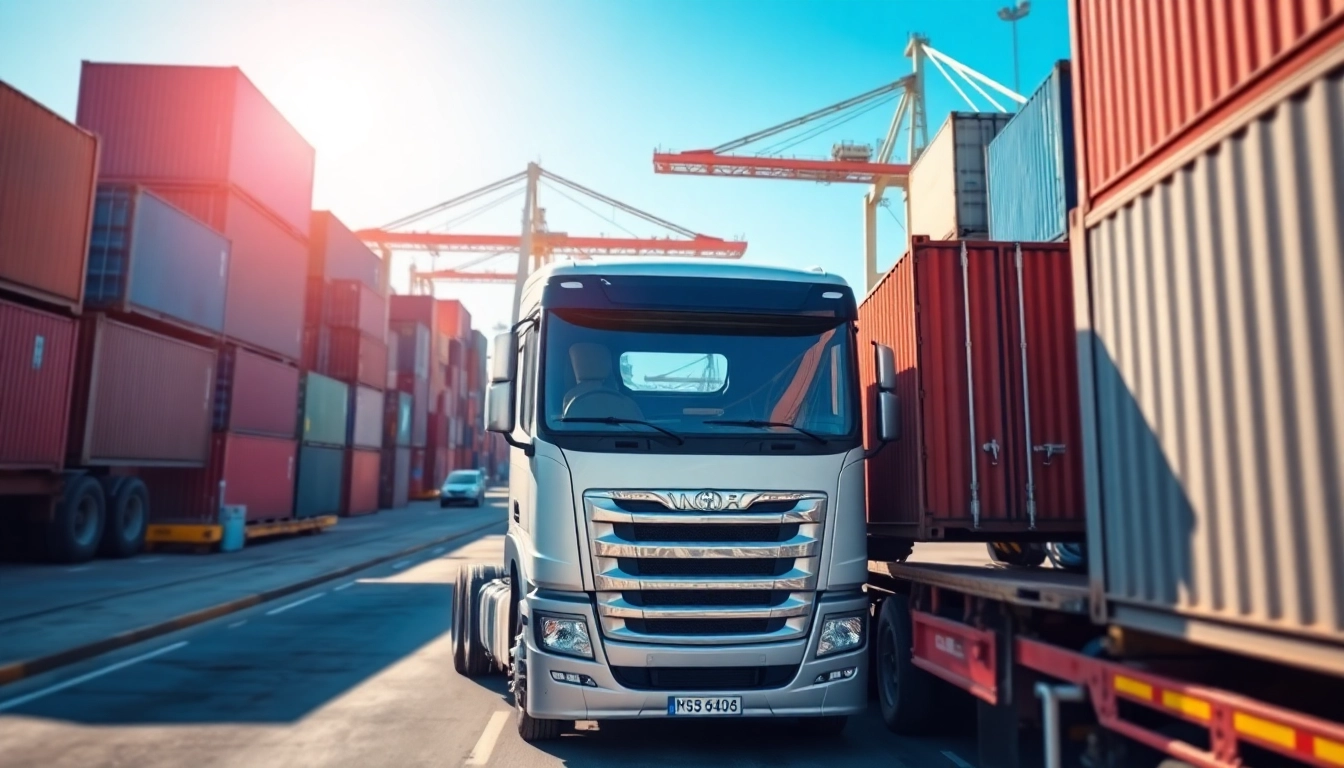
Drayage refers to the transportation of shipping containers using trucks over short distances, typically within a local area. This essential service is a segment of intermodal freight transport, which combines multiple modes of transportation to move goods efficiently. Drayage usually bridges the gap between larger moves, such as between a port and a transportation hub or warehouse, and can be crucial to supply chain logistics. It is often a vital link in the global trading environment, enabling efficient cargo movement directly from ships, rail terminals, or between distribution centers. For further insights on drayage, you can explore Drayage logistics and their significance in modern supply chain management.
Types of Drayage Services
Drayage services can be categorized based on the nature of the transportation and the specific needs of clients. Here are some common types:
- Port Drayage: Involves moving containers from ports to rail yards or distribution centers.
- Rail Drayage: Refers to transferring containers from rail transport to trucking companies for final delivery.
- Intra-Company Drayage: Involves transporting goods between facilities within the same company, which may include moving to and from warehouses or distribution centers.
- Intermodal Drayage: A blend of various transport methods, such as combining rail and truck services.
- Last-Mile Drayage: Focused on transporting goods from transportation hubs to the final delivery points.
Historical Context
The roots of drayage date back to the early days of shipping when horse-drawn wagons were used to transport goods from ships to docks or warehouses. As trade grew, so did the need for more efficient and organized logistics services. The advent of mechanized vehicles and the increasing globalization of trade necessitated adopting advanced drayage services. Today, drayage has evolved into a highly specialized field within logistics, incorporating technology and extensive networks to manage and optimize the transportation of goods effectively.
The Role of Drayage in Supply Chain Management
Intermodal Transport Connection
Drayage plays a pivotal role in intermodal transport by providing essential connections between different modes of transportation. By linking ocean shipping and land-based freight systems, drayage services facilitate seamless transitions that can significantly enhance supply chain efficiency. For example, a shipping container might travel from Asia via sea freight, arrive at a U.S. port, and then require drayage to be transported inland by truck or rail.
Importance for E-commerce
The rapid growth of e-commerce has brought significant challenges and opportunities for drayage services. With the increase in online shopping, the demand for efficient last-mile delivery has surged. Drayage is critical in this context as it enables e-commerce businesses to deliver products quickly to consumers. For companies aiming to satisfy the immediate demands of online shoppers, effective drayage operations are essential for maintaining high service levels and minimizing delivery times.
Challenges in Drayage Operations
While drayage is crucial for effective supply chain management, it is not without challenges. These may include:
- Traffic Congestion: In urban areas, heavy traffic can delay drayage operations, affecting delivery timelines.
- Regulatory Issues: Compliance with various regulations, including environmental regulations and transportation fees, can complicate operations.
- Timing Coordination: Success in drayage often requires precise timing across multiple transportation modes, which can be challenging to achieve.
- Capacity Constraints: Fluctuations in cargo volume can lead to shortages in trucking capacity, especially during peak seasons.
Best Practices for Effective Drayage
Choosing the Right Carrier
One of the most significant factors in successful drayage operations is selecting the right carrier. When evaluating carriers, it’s essential to consider factors such as:
- Experience: Choose carriers with a proven track record and extensive experience in drayage services.
- Technology: Leverage carriers utilizing advanced technology for tracking, scheduling, and optimizing their operations.
- Capacity: Ensure the carrier has adequate capacity to meet your current and future demands.
- Reputation: Research the carrier's reputation through reviews and industry recommendations to avoid potential issues.
Cost Management Strategies
Controlling costs is vital in logistics, including drayage. Some effective strategies include:
- Negotiate Rates: Building long-term relationships with carriers can lead to better rates and terms.
- Optimize Routes: Analyzing and optimizing routes can reduce miles traveled, fuel consumption, and overall transportation costs.
- Leverage Technology: Implementing automation and analytics can provide insights on trends that help in managing costs more efficiently.
Streamlining Operations
Streamlining drayage operations enhances efficiency and minimizes delays. Some methods to achieve this include:
- Utilize Technology: Implement software solutions that allow for real-time tracking, load planning, and coordination.
- Training and Development: Providing professional development for staff can improve operational efficiencies and compliance with safety regulations.
- Enhance Communication: Establish clear communication protocols among all stakeholders to ensure everyone is informed and aligned.
Impact of Technology on Drayage
Automation and Optimization
Technology continues to transform the drayage landscape, with automation leading to significant improvements in efficiency. Automated systems can handle scheduling, routing, and tracking, reducing the chances of human error and optimizing resource use. For example, companies implementing Artificial Intelligence can predict delays based on real-time traffic data, allowing for better route adjustments before they become issues.
Tracking and Visibility Tools
Today's shippers require transparency, which has led to the development of tracking and visibility tools in drayage. These tools allow for real-time monitoring and updates, enhancing accountability and communication across the supply chain. Enhanced tracking capabilities permit stakeholders to access timely information regarding shipment status, thereby improving customer relations and operational decisions.
Future Trends in Drayage
Future trends in drayage are likely to include:
- Increased Automation: With advances in technology, drayage operations will become even more automated, leading to increased efficiency and reduced costs.
- Sustainability Initiatives: As sustainability becomes a primary concern, drayage services may focus on greener technologies and practices, such as electric trucks.
- Data Analytics: Leveraging big data analytics will enable carriers to optimize operations continuously by better understanding demand patterns and operational efficiencies.
Performance Metrics for Drayage Services
Key Performance Indicators (KPIs)
Measuring performance in drayage operations through KPIs provides insights that facilitate better decision-making. Common KPIs for drayage include:
- On-Time Delivery Rate: The percentage of shipments delivered on time.
- Cost per Load: Understanding the cost associated with transporting each load can help manage budgets more effectively.
- Average Turnaround Time: The average time taken for drayage operations significantly affects overall supply chain efficiency.
Evaluating Service Quality
Service quality in drayage can significantly affect customer satisfaction and retention. Factors to evaluate service quality include:
- Communication: Assess how well the carrier communicates updates and issues during transportation.
- Responsiveness: Evaluate how quickly issues are resolved and the responsiveness of customer service.
- Condition of Goods: Monitor the condition of goods upon delivery to ensure proper handling throughout the process.
Improving Customer Satisfaction
Enhancing customer satisfaction is crucial for business health. Strategies to ensure customer satisfaction with drayage services include:
- Transparency: Providing clients with real-time updates on the status and location of their shipments reinforces trust.
- Feedback Mechanisms: Implementing systems for customer feedback allows for continuous improvements based on client insights.
- Exceeding Expectations: Striving not just to meet but to exceed customer expectations can lead to stronger relationships and repeat business.