Understanding the Benefits of a Wifi Sprinkler Controller
As urban gardening and landscaping continue to evolve, so does the technology that supports it. Among the most innovative solutions for plant enthusiasts is the wifi sprinkler controller. This device not only streamlines the watering process but also provides real-time data that helps optimize water usage while nurturing growth.
What is a Wifi Sprinkler Controller?
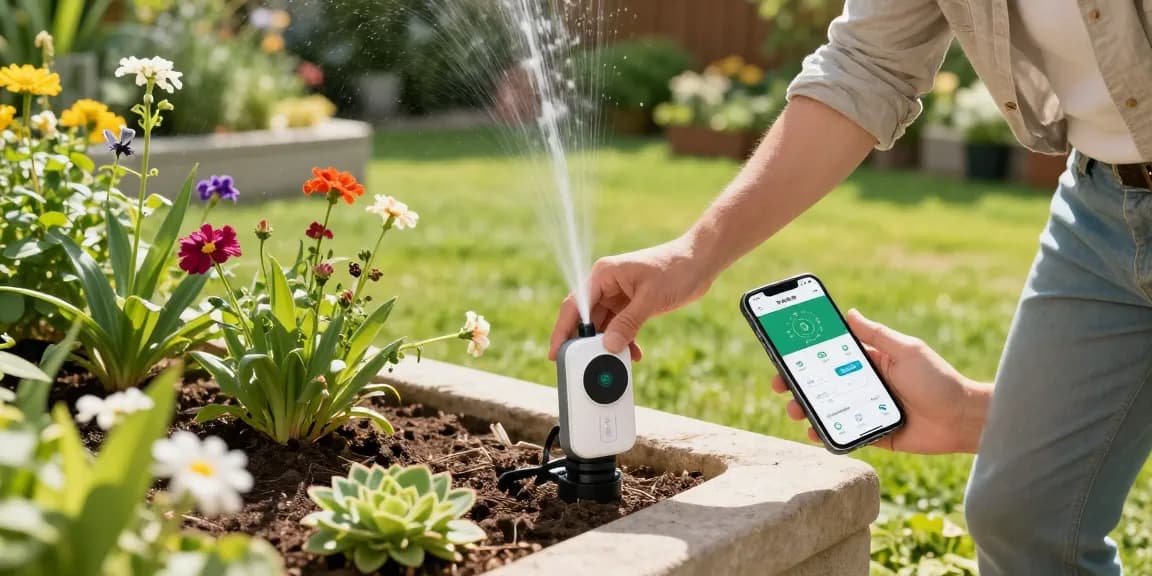
A wifi sprinkler controller is a smart device designed to automate and manage your garden's irrigation system through Wi-Fi connectivity. This technology allows you to oversee and adjust your watering schedules and settings from anywhere, using an app on your smartphone or tablet. Essentially, it transforms a traditional irrigation system into a smart watering solution, adapting to conditions in real-time.
Advantages of Smart Irrigation Systems
- Remote Control: Manage your irrigation system from anywhere, ensuring that your plants receive adequate water at all times.
- Weather Adaptability: Many wifi controllers can integrate with local weather forecasts, automatically adjusting watering schedules based on rainfall or temperature changes.
- Data Tracking: Monitor water usage and plant health through precise data analytics, enabling you to make informed adjustments to your watering strategy.
- Convenience: Set-it-and-forget-it systems reduce the need for manual watering, saving you time and effort.
Cost Savings and Water Conservation Benefits
Implementing a wifi sprinkler controller can lead to significant cost savings on your water bill by optimizing usage. Traditional irrigation methods often lead to over-watering, which not only wastes water but can also harm your plants. With a smart controller, you can set schedules that suit the specific needs of your garden while conserving water—essential in regions facing drought or water restrictions.
Choosing the Right Wifi Sprinkler Controller for Your Garden
Key Features to Look For
When selecting a wifi sprinkler controller, consider features that align with your gardening needs:
- Integration Capabilities: Ensure it can connect to your existing irrigation system.
- Soil Moisture Sensors: Look for controllers that offer sensors to gauge the moisture level of the soil, preventing over-irrigation.
- User-Friendly App: A well-designed app interface is crucial for managing your watering schedule effectively.
- Customizability: Choose a controller that allows you to set multiple zones with different watering needs based on plant types.
Comparative Analysis of Top Models
As of 2026, the market features several standout wifi sprinkler controllers:
- RainPoint 2 Zone Wifi Water Timer: Perfect for medium to large gardens, this model offers dual zone management and smart features that track water usage.
- Orbit B-hyve: Known for its integration with home automation systems, it provides advanced scheduling features and weather responsiveness.
- Rachio 3 Smart Sprinkler Controller: Ideal for tech-savvy users, it boasts a wide array of smart features, including voice control compatibility.
Understanding Your Plant Requirements
Understanding the specific water needs of your plants is crucial. Different plants have varying requirements for moisture. By utilizing a wifi sprinkler controller, you can program each zone to match the needs of its respective plants, ensuring optimal growth while minimizing waste.
Installation Guide for Your Wifi Sprinkler Controller
Preparing Your Landscape for Smart Irrigation
Before installation, assess your landscape and existing irrigation setup. Identify areas that require watering and any existing systems you may need to integrate with your new controller.
Step-by-Step Installation Process
- Disconnect Your Current System: If you have an existing irrigation system, disconnect it carefully.
- Install the Wifi Controller: Follow the manufacturer's instructions to mount and connect the new controller. Ensure it is accessible for Wi-Fi connectivity.
- Connect to Wi-Fi: Use the app to connect your controller to your home Wi-Fi network.
- Set Up Zones: Configure your watering zones according to your landscape needs and plant types.
- Test the System: Run a test cycle to ensure everything is functioning correctly.
Troubleshooting Common Setup Issues
If you encounter connectivity issues, ensure your Wi-Fi signal is strong near the controller. Restart the device and verify that the app is updated. Most manufacturers provide a troubleshooting guide to assist you in resolving common problems.
Maximizing Effectiveness with Smart Features
Scheduling Watering Cycles Effectively
Scheduling is key to optimizing your irrigation system. Use the app to set watering times during early morning or late evening when evaporation rates are lower, maximizing water absorption by plants.
Using Moisture Sensors for Precision
Incorporating moisture sensors into your irrigation system can significantly improve its efficiency. These sensors monitor soil conditions and trigger watering only when necessary, reducing water waste and promoting healthy plant growth.
Integrating with Home Automation Systems
Consider integrating your wifi sprinkler controller with other home automation systems for added convenience. Voice-activated assistants can provide quick access to your watering schedules and system checks, making garden maintenance even easier.
Future Trends in Smart Gardening Technology
Innovations to Expect in 2026 and Beyond
The landscape of smart gardening is rapidly evolving. Future innovations may include AI-driven irrigation systems capable of learning from weather patterns and user behavior to optimize watering schedules seamlessly.
Environmental Impact and Sustainability of Smart Controllers
As sustainability becomes increasingly important, smart controllers will play a vital role in water conservation efforts. By reducing water consumption, these devices not only benefit your garden but also contribute positively to environmental health.
Case Studies: Successful Implementations and User Experiences
User experiences reveal the positive impact of wifi sprinkler controllers. Homeowners report flourishing gardens and reduced water bills, demonstrating the device's effectiveness in real-world applications. Many users highlight the ease of setup and the substantial time savings in their gardening routines.
What is a wifi sprinkler controller?
A wifi sprinkler controller is a smart irrigation management device that allows users to control their watering schedules remotely through an app, ensuring optimal irrigation.
How does a wifi sprinkler controller save water?
These controllers save water by providing precise control over irrigation schedules, using moisture sensors to prevent over-watering, and adjusting based on real-time weather data.
Can I integrate my wifi sprinkler controller with a smart home system?
Yes, many wifi sprinkler controllers can seamlessly integrate with smart home systems, allowing for voice control and centralized management of home automation features.
What maintenance is required for my wifi sprinkler controller?
Regular maintenance involves checking the system for leaks, ensuring the app is updated, and reviewing watering schedules seasonally to adapt to changing weather conditions.
How do I troubleshoot connectivity issues?
To troubleshoot connectivity issues, ensure your Wi-Fi is functioning correctly, move the controller closer to the router if necessary, and consult the manufacturer's troubleshooting resources.