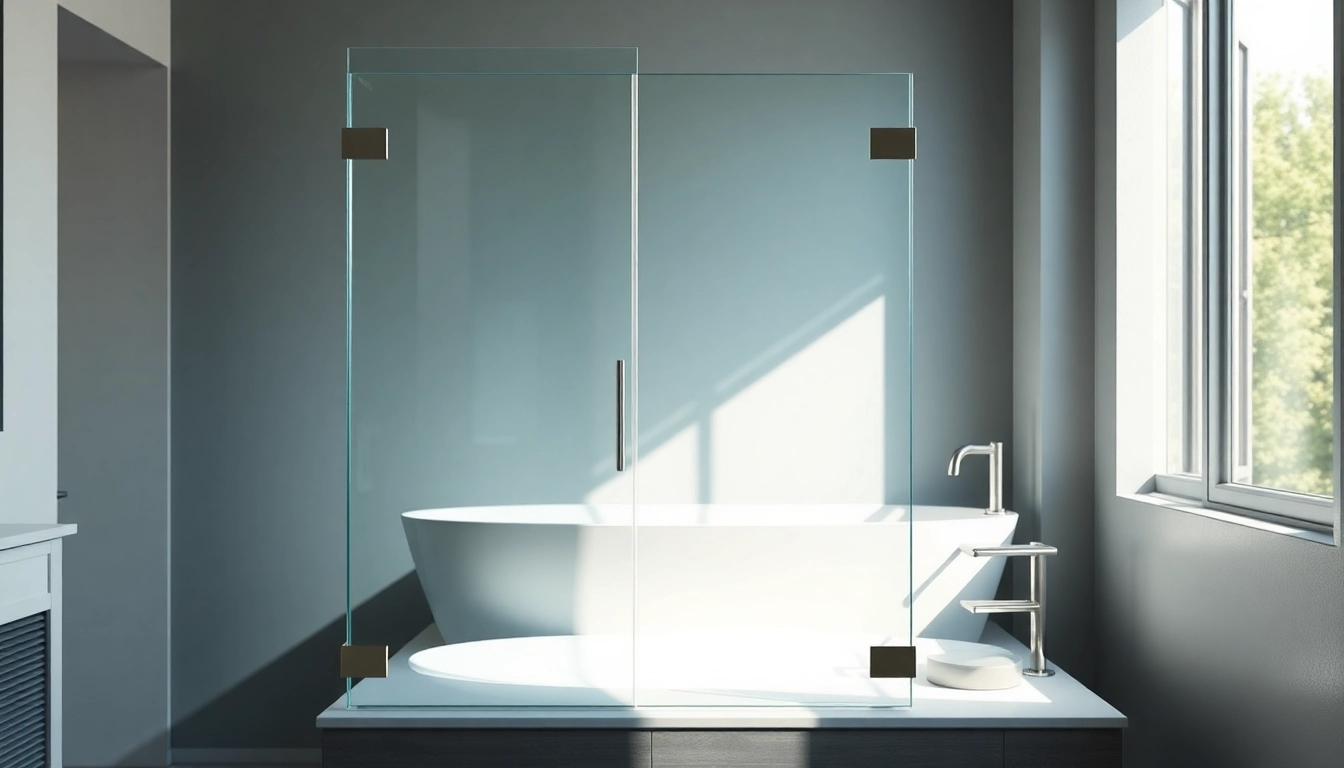
Understanding Shower Screen Door Varieties
The world of bathroom fixtures has evolved, and among these enhancements, the shower screen door has become a pivotal feature. Whether you are in a spacious residence or a compact apartment, selecting the right shower door is crucial for functionality, aesthetics, and hygiene. This section covers the various types of shower screen doors available in the market today.
Frameless Shower Screen Door Features
Frameless shower screen doors are designed to create a modern, streamlined look in your bathroom. One of their key features is the absence of metal framing, allowing for unobstructed views and a spacious appearance. These doors are made from thick tempered glass, which not only offers exceptional durability but also enhances safety.
The minimalist style of frameless doors helps in making a small bathroom feel larger and more open. They can adapt to various shower configurations—whether corner, alcove, or stand-alone showers. Additionally, frameless designs usually employ high-quality hardware, which includes sturdy hinges and handles for smooth operation.
Framed Shower Screen Door Benefits
In contrast to their frameless counterparts, framed shower screen doors encapsulate the glass within a metal framework. This offers several benefits, including greater stability and ease of installation. The framing can help contain water splash, making it an ideal choice for families or households with children.
Moreover, framed doors come in a wide range of styles and finishes, enhancing their versatility in coordinating with different bathroom themes. This does not only add to aesthetic appeal but also contributes to the durability of the door, as the frame can protect the edges of the glass from potential damage.
Bi-Fold vs. Sliding Shower Screen Door
When choosing a shower screen door, one essential decision is between bi-fold and sliding doors. Bi-fold shower doors are hinged and fold inwards, making them an excellent option for smaller bathrooms where space is at a premium. They allow for easy access to the shower area without taking up external room.
On the other hand, sliding shower screen doors operate on a track system, providing a smooth opening and closing mechanism. While they require more space for the tracks, they offer a sleek design and are particularly suitable for larger shower areas. Both options have their unique set of pros and cons, and the optimal choice will depend on individual needs and bathroom space.
Advantages of Installing a Shower Screen Door
Choosing to install a shower screen door rather than a shower curtain can offer several advantages for your bathroom space.
Enhancing Bathroom Aesthetics
A shower screen door typically adds a touch of elegance to a bathroom, elevating its aesthetics. Glass doors create a seamless transition between spaces and can make a small bathroom feel more open and airy. With options ranging from clear to frosted glass, and various finishes available for hardware, homeowners can choose a design that complements the overall theme of their bathrooms.
Improving Water Retention
The effectiveness of a shower screen door in containing water is another significant benefit over shower curtains. Properly installed shower screen doors create a seal that minimizes water leakage, protecting your bathroom floor from potential damage due to excessive moisture.
This makes shower screen doors particularly beneficial for bathrooms with hardwood floors or other water-sensitive materials where water retention is crucial in maintaining the floor’s integrity.
Reducing Mold Growth
Shower curtains often trap moisture, creating an ideal environment for mold and mildew growth. In contrast, shower screen doors facilitate better airflow, reducing moisture retention in the bathroom. As a result, the chances of mold growth are significantly lowered, making your bathroom more hygienic and easier to maintain.
How to Choose the Right Shower Screen Door
Selecting the appropriate shower screen door for your bathroom involves careful consideration of several factors.
Assessing Space and Layout
Understanding the dimensions and layout of your bathroom is pivotal. Measure the size of the shower enclosure accurately to determine the appropriate size of the shower screen door. Consider how the door will operate within the available space—whether it swings open, slides, or folds—and choose a style that maximizes comfort and convenience in usage.
Selecting Glass Thickness and Type
Glass thickness can vary significantly, with options typically ranging from 6mm to 10mm or more. Thicker glass doors tend to be sturdier and less prone to breakage. Moreover, consider the type of glass: clear glass offers a contemporary look, while frosted or patterned glass provides additional privacy. Whatever your choice, ensure it aligns with your personal preferences and practical needs.
Considering Hardware and Finish Options
The hardware used in a shower screen door can influence both functionality and aesthetics. Many options exist, including polished chrome, brushed nickel, and matte black finishes. Select a finish that matches other bathroom fixtures for a cohesive look, and check the quality of the hinges, handles, and tracks to ensure longevity and performance over time.
Maintenance Tips for Your Shower Screen Door
Regular Cleaning Techniques
Frequent cleaning is vital to prevent soap scum and hard water stains. Use a gentle glass cleaner or vinegar solution to maintain clarity without scratching the surface. A microfiber cloth is ideal for removing grime while avoiding lint and streaks.
Preventing Hard Water Stains
Hard water stains can accumulate over time, making your shower screen door look dingy. To combat this, drying the glass after each use can prevent water spots from forming. You may also invest in a water softener to reduce mineral deposits if you live in an area with hard water.
Checking Hardware Stability
Check the stability of hinges and tracks regularly. Over time, screws can become loose or worn. Tighten them as necessary and look for signs of wear. Replacing any corroded or damaged hardware promptly will contribute to the door's overall performance and safety.
FAQs About Shower Screen Doors
What material is best for a shower screen door?
The best material is tempered glass as it is sturdy, safe, and provides a sleek aesthetic. Ensure to choose the thickness appropriate for durability and safety.
Can a shower screen door fit in any space?
While versatile, a shower screen door's fit depends on the shower enclosure's size and configuration. Measuring the area accurately before purchase is crucial.
How often should I clean my shower screen door?
Clean your shower screen door at least once a week to prevent soap scum and mineral buildup from forming, ensuring a clearer, more hygienic surface.
Are shower screen doors energy efficient?
While shower screen doors themselves do not impact energy efficiency, they can help maintain bathroom temperature. They may indirectly improve energy usage by reducing heating or cooling needs.
Can a shower screen door reduce water splashing?
Yes, a well-installed shower screen door can significantly reduce water splashing out of the enclosure, protecting the bathroom floor from excess moisture and potential damage.