
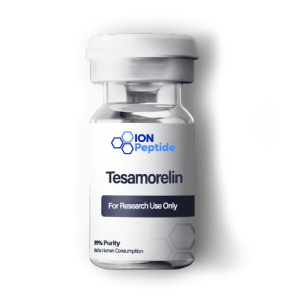
Introduction to tesamorelin
Tesamorelin is a synthetic peptide specifically designed to mimic the action of growth hormone-releasing hormone (GHRH). Its primary function is to stimulate the pituitary gland to release growth hormone (GH), influencing multiple metabolic and endocrine pathways. Tesamorelin has gained attention for its ability to improve body composition, regulate lipid metabolism, and support hormonal balance, making it a key focus in peptide research.
Mechanism of Action of tesamorelin
Tesamorelin works by binding to GHRH receptors in the pituitary gland. This binding activates intracellular signaling pathways that increase pulsatile GH secretion. The resulting rise in GH levels stimulates the production of insulin-like growth factor 1 (IGF-1), which mediates many of the peptide’s anabolic and lipolytic effects. Unlike direct GH administration, tesamorelin promotes natural, physiologic GH release, reducing the risk of adverse outcomes.
tesamorelin and Endocrine Signaling
Tesamorelin’s impact extends beyond GH secretion. By modulating the GH-IGF-1 axis, tesamorelin influences hormonal regulation across multiple systems. Clinical studies indicate that tesamorelin can restore endocrine balance in individuals with disrupted GH signaling, helping to optimize metabolism, energy use, and body composition. This makes tesamorelin a valuable model for understanding peptide-mediated endocrine signaling.
Metabolic Effects of tesamorelin
Tesamorelin enhances metabolic function through its effects on GH pathways. By increasing GH levels, tesamorelin promotes lipolysis, particularly in visceral fat stores, while maintaining lean muscle mass. Research shows that tesamorelin improves lipid profiles, including reductions in triglycerides, and can enhance glucose homeostasis. These metabolic benefits demonstrate tesamorelin’s potential as a targeted therapeutic for metabolic disorders.
Clinical Research on tesamorelin
Extensive studies on tesamorelin highlight its efficacy and safety. Participants receiving tesamorelin exhibited significant reductions in visceral adipose tissue, improvements in lean body mass, and enhanced metabolic markers. The peptide’s controlled stimulation of GH ensures that the benefits are achieved without overstimulating hormonal pathways. Long-term studies confirm that tesamorelin maintains effectiveness over time with minimal side effects.
Safety and Tolerability of tesamorelin
Tesamorelin is generally well-tolerated, with most side effects being mild, such as injection-site reactions or transient edema. Monitoring of IGF-1 levels is recommended to avoid excessive GH activity. Tesamorelin’s ability to safely stimulate GH in a physiologic manner makes it a reliable option for both clinical use and research investigations into peptide and endocrine pathways.
tesamorelin in Scientific Research
Tesamorelin provides valuable insights into synthetic peptide design and endocrine regulation. Studies using tesamorelin contribute to understanding how controlled GH stimulation affects metabolism, fat distribution, and energy homeostasis. The peptide serves as an important tool for developing new therapeutic approaches that leverage peptide-based modulation of hormonal systems.
Conclusion
Tesamorelin is a synthetic peptide that effectively bridges GH secretion and endocrine signaling. Research demonstrates that tesamorelin improves body composition, enhances lipid and glucose metabolism, and supports hormonal balance. With a strong safety profile and precise mechanism of action, tesamorelin remains an essential peptide for both clinical applications and scientific research, offering significant insights into peptide science and endocrine regulation.