

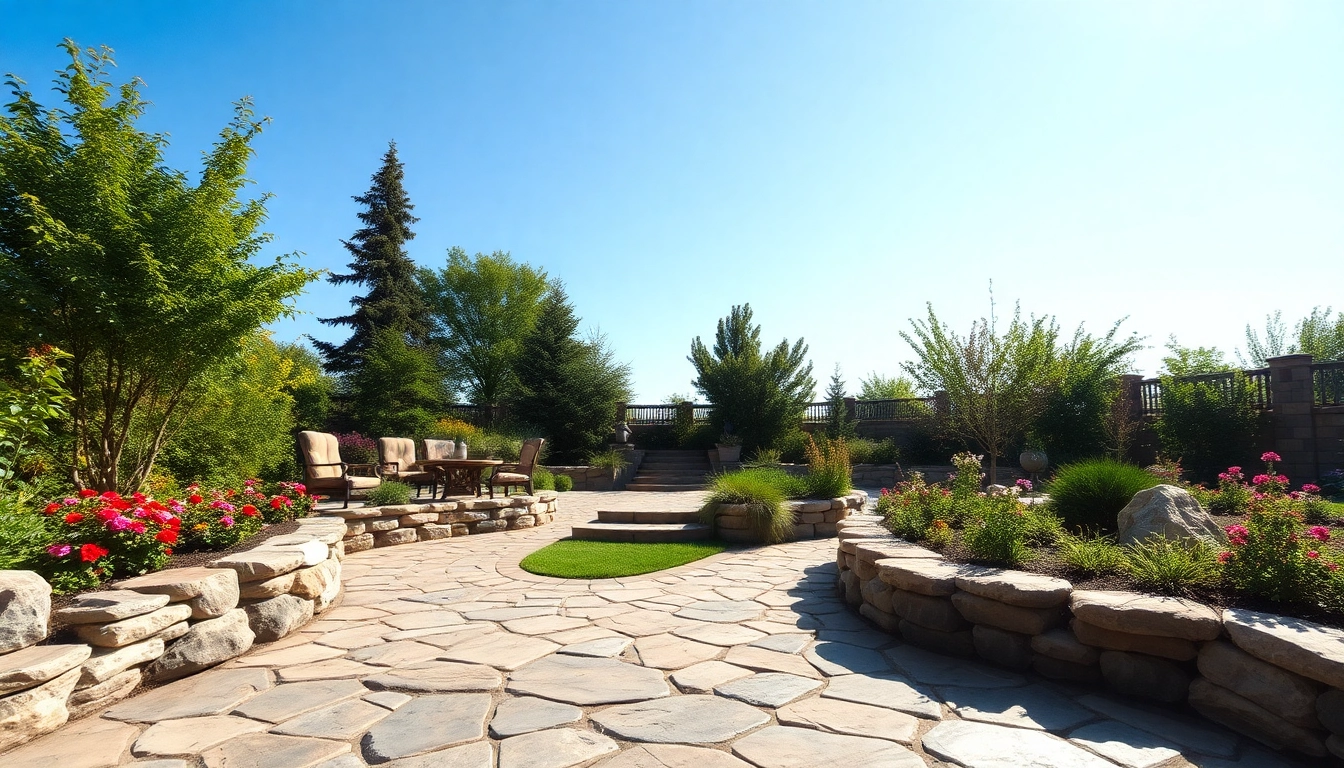
Introduction to Hardscapes
In the realm of landscape design, hardscapes play a crucial role in enhancing outdoor spaces. Hardscapes encompass the non-plant elements of a landscape, such as paths, walls, patios, and decks. These features contribute not just to aesthetics but also to the functionality of a space. Understanding hardscapes is essential for anyone looking to create a beautiful and enduring landscape.
What Are Hardscapes?
Hardscapes refer to the permanent, hard materials used to define outdoor spaces. This includes features such as walkways, patios, retaining walls, and driveways. Unlike softscapes, which include trees, shrubs, and flowers, hardscapes provide structure and form to a landscape. They can be composed of various materials, each chosen for its durability and aesthetic appeal.
Importance of Hardscapes in Landscaping
Hardscapes are integral to landscaping for several reasons:
- Structural Integrity: They provide support and stability to the landscape, preventing soil erosion and managing drainage.
- Aesthetic Appeal: Hardscapes can significantly enhance the beauty of a space, offering contrast to the soft greenery.
- Functionality: They create usable spaces for outdoor activities, maximizing the potential of the yard or garden.
- Environmental Benefits: Properly designed hardscapes can reduce runoff and support biodiversity by managing water flow efficiently.
Common Materials Used in Hardscapes
The choice of material is crucial in achieving the right look and functionality in hardscapes. Some common materials include:
- Stone: Natural stone is popular for its beauty and durability. It can be used for patios, walls, and walkways.
- Concrete: This versatile material is used for driveways, patios, and paths, often stamped or stained for added design.
- Brick: Known for its classic look, brick is commonly employed in walkways and patios, offering a timeless aesthetic.
- Timber: Wood, such as treated lumber, is often used for decks and garden structures, bringing warmth to outdoor spaces.
Designing Your Hardscape
Designing hardscapes requires consideration of both aesthetics and functionality. A well-planned design will ensure longevity while enhancing the outdoor experience.
Choosing the Right Layout
The layout of hardscapes can dramatically influence the usability and aesthetics of outdoor spaces. Factors to consider include:
- Flow of Movement: Paths should be designed to guide movement naturally, connecting different areas of the landscape.
- Zoning: Different zones can be created within a garden, such as dining, relaxing, or play areas, each requiring distinct hardscape features.
- Proportions: Scale is crucial; large areas can accommodate big features like stone walls, while smaller yards might benefit from simpler designs.
Incorporating Natural Elements
Naturally blending hardscapes with softscapes enhances visual interest. Techniques to achieve this include:
- Plant Integration: Use plants to soften edges and integrate hardscapes. For example, low-growing flowers can soften stone walls.
- Water Features: Incorporating elements like fountains or ponds can create a peaceful atmosphere, enhancing both aesthetic and auditory experiences.
- Texture Variation: Utilize different materials and finishes to create visual texture that complements surrounding vegetation.
Color Schemes for Your Hardscape
The right color scheme can enhance the beauty of hardscapes. Tips include:
- Complementing the Environment: Choose colors that harmonize with existing plants and structures.
- Creating Contrast: Dark materials can create stunning contrasts against lighter landscapes or buildings, making features stand out.
- Seasonality: Consider how colors will appear in different seasons—some materials may change appearance due to weathering.
Benefits of Hardscaping
Investing in hardscapes pays dividends in various ways, providing both aesthetic enhancements and practical advantages.
Enhanced Curb Appeal
Hardscapes significantly improve curb appeal, the first impression of a property. Features such as well-designed pathways and elegant patios invite visitors and enhance aesthetic value. Thoughtful hardscape design can set a property apart in its neighborhood, making it more attractive to potential buyers.
Low Maintenance Solutions
One of the significant benefits of hardscaping is its low maintenance requirement compared to softscapes. Hardscape materials like stone and concrete are durable and require minimal upkeep, making outdoor spaces more enjoyable without the constant attention needed for gardens.
Increased Property Value
A well-crafted hardscape not only enhances beauty but can also significantly increase property value. Homebuyers often prioritize outdoor features; therefore, investing in durable and visually appealing hardscapes can yield a substantial return on investment.
Common Hardscape Features
There are several common features in hardscapes that can transform a landscape into a functional, beautiful outdoor area.
Patios and Decks
Patios and decks serve as essential outdoor living spaces, perfect for hosting gatherings or enjoying quiet evenings. When designing these, consider:
- Location: Choose a space that receives adequate sunlight yet offers some shade options.
- Material Choices: Select materials that complement your home’s design and offer durability—think composite wood or natural stone.
- Furniture and Accessory Placement: Ensure there’s ample room for furniture while maintaining flow, allowing easy movement throughout the space.
Retaining Walls
Retaining walls are practical features that prevent erosion and manage sloped landscapes. Their design can vary greatly:
- Functionality: They can effectively create flat areas on hills or slopes, maximizing usable space.
- Aesthetic Value: Stone or brick retaining walls can serve as beautiful focal points or boundaries in the landscape.
- Planting Opportunities: Install a retaining wall with planted areas to introduce greenery and soften the hard lines of the wall.
Walkways and Driveways
Well-designed walkways and driveways ensure safe and attractive transitions between spaces. Important considerations include:
- Material Selection: Choose materials that fit the overall design theme—gravel for a rustic look or pavers for a more formal touch.
- Curvature and Lines: Avoid straight lines; incorporating gentle curves can create a more inviting pathway.
- Lighting: Adding lighting along walkways increases safety and enhances evening aesthetics, allowing enjoyment of outdoor spaces after dark.
FAQs about Hardscapes
What is the best material for hardscapes?
Natural stone and concrete are popular choices for durability and aesthetic appeal. Each material has unique benefits and can serve various design needs.
How do I maintain my hardscape?
Regular cleaning and occasional sealing can help maintain the looks and longevity of hardscapes. Addressing weeds and debris promptly can also keep the area looking pristine.
Can hardscapes be added to existing landscapes?
Yes, hardscapes can be integrated into existing landscapes to enhance design and functionality. This can revitalize spaces with minimal disruption.
Are hardscapes eco-friendly?
Many hardscape materials are sustainable, especially when sourced locally and designed to minimize runoff. Choosing permeable surfaces can also support better water management.
How do I choose a hardscape contractor?
Look for experience, customer reviews, and a portfolio to ensure quality work for your project. Consulting references can help gauge reliability and craftsmanship.