

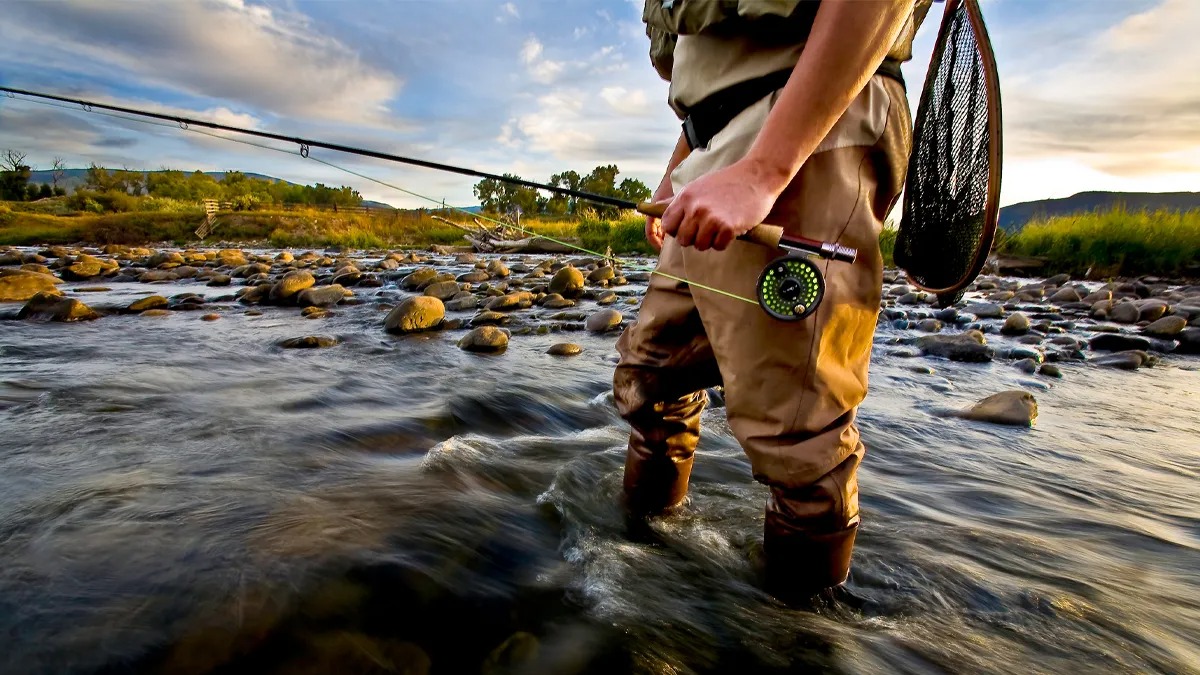
The Fly fishing for bass is an exciting and rewarding way to experience freshwater fishing. Bass are known for their aggressive strikes and challenging behavior, making them a favorite target for anglers using fly rods. Whether you are a beginner or an experienced fly fisherman, mastering the art of fly fishing for bass requires understanding the fish’s habits, selecting the right gear, and employing effective techniques. In this article, we will explore proven strategies to help you catch more bass and enhance your fly fishing experience.
Understanding Bass Behavior
Before you start fly fishing for bass, it is essential to understand their behavior. Bass are predatory fish, often found near structures such as rocks, logs, and submerged vegetation. They are most active during early morning and late evening, especially in warmer months. Seasonal patterns also influence bass activity; during the spawning season, bass tend to stay in shallower waters, while in hotter months, they may retreat to deeper pools. Knowing where bass are likely to be will greatly increase your chances of success.
Choosing the Right Fly Fishing Gear
Selecting the appropriate gear is crucial for fly fishing for bass. A 6- to 8-weight fly rod is ideal for handling larger bass, while a strong reel with a smooth drag system ensures better control during a fight. When it comes to flies, bass respond well to a variety of options, including poppers, streamers, and soft plastic patterns. Brightly colored flies often work well in murky waters, while natural tones are effective in clear waters. Investing in high-quality gear tailored for bass fishing will significantly improve your fly fishing experience.
Effective Casting Techniques
Casting is a fundamental skill in fly fishing for bass. Accurate and stealthy casts allow you to present your fly naturally, increasing your chances of enticing a strike. Practice different casting techniques such as roll casting, sidearm casting, and overhead casting to reach difficult spots. Additionally, learning to control your line and make subtle adjustments during the cast will help you avoid spooking bass. Mastering these techniques can make the difference between a successful fishing trip and an empty day on the water.
Reading the Water
Being able to read the water is one of the most valuable skills in fly fishing for bass. Look for signs of bass activity such as splashes, jumping fish, or baitfish schools. Areas with submerged vegetation, fallen trees, or rocky outcrops are excellent places to target. Bass often hide in ambush positions near these structures, making them easier to catch if approached carefully. By observing the water and identifying potential hotspots, you can increase your catch rate significantly.
Using the Right Retrieval Techniques
Once your fly is in the water, using the right retrieval technique is key in fly fishing for bass. Different flies require different actions to mimic the movement of prey. For example, poppers should be twitched to create surface disturbances, while streamers may be stripped in with varying speeds to imitate swimming baitfish. Experimenting with retrieval patterns and pauses can help trigger strikes from even the most cautious bass. Adapting your technique to match the bass’s feeding behavior is essential for consistent success.
Seasonal Tips for Bass Fly Fishing
Seasonal variations have a significant impact on bass behavior, so adjusting your fly fishing approach is crucial. In spring, focus on shallow waters and spawning areas using smaller flies. Summer often calls for fishing deeper structures and using larger, more aggressive flies. During fall, bass actively feed in preparation for winter, making them more responsive to fast-moving flies. Winter bass fishing can be slower, but targeting deep pools and using subtle presentations can yield results. Understanding seasonal patterns allows you to plan your fly fishing for bass trips more effectively.
Matching the Hatch
Matching the hatch is a technique where you select flies that imitate the natural prey available in the environment. Bass feed on insects, small fish, and crustaceans, so observing local conditions and choosing flies that closely resemble these food sources is essential. Successful fly fishing for bass often depends on your ability to imitate natural movement and appearance. Taking time to study the water and its inhabitants will give you an edge in enticing more bites.
Fly Fishing for Bass in Different Waters
Bass can be found in a variety of freshwater habitats, including rivers, lakes, ponds, and reservoirs. Each type of water presents unique challenges and opportunities. In rivers, focus on slower current areas and eddies where bass may ambush prey. In lakes, target structures like weed beds, docks, and points. Adjusting your techniques based on the type of water you are fishing will maximize your success and enhance your overall fly fishing experience.
Catch and Release Practices
Responsible anglers practice catch and release to preserve bass populations. Handle fish carefully, minimize their time out of water, and use barbless hooks when possible. Proper catch and release techniques ensure that bass remain healthy and abundant for future generations of fly fishing enthusiasts. By adopting these practices, you contribute to sustainable fishing while enjoying the thrill of fly fishing for bass.
Conclusion
Fly fishing for bass is a challenging yet immensely rewarding pursuit. By understanding bass behavior, selecting the right gear, mastering casting and retrieval techniques, reading the water, and adapting to seasonal patterns, you can dramatically improve your success on the water. Incorporating these strategies into your fly fishing for bass routine will help you catch more fish and create unforgettable fishing experiences. Whether you are targeting bass in rivers, lakes, or ponds, persistence, observation, and skill will always pay off.